


Hey there! As a supplier of 100% polyester yarn, I often get asked if this type of yarn can be used for making rugs. Well, the short answer is yes! But let's dive deeper into the details to understand why 100% polyester yarn is a great choice for rug-making.
Why Polyester Yarn?
First off, polyester is a synthetic fiber that has a bunch of awesome properties. It's super durable, which means rugs made from 100% polyester yarn can withstand a lot of foot traffic. Whether it's in a busy hallway, a living room where the family hangs out, or a commercial space like an office lobby, polyester rugs are up for the challenge.
Another great thing about polyester is its resistance to stains. Unlike some natural fibers that can absorb spills and get permanently marked, polyester repels liquids to a large extent. This makes it easy to clean up messes, which is a huge plus for rugs that are likely to get dirty. You can just use a mild detergent and water to wipe away most stains, and your rug will look as good as new.
Polyester yarn also has excellent colorfastness. This means that the colors in the rug won't fade easily, even when exposed to sunlight. So, you can place your polyester rug near a window or in a sunny room without worrying about it losing its vibrant colors over time.
Types of 100% Polyester Yarn for Rugs
There are different types of 100% polyester yarn that can be used for rug-making. One popular option is Recycled Polyester Filament Yarn. This type of yarn is made from recycled plastic bottles and other polyester waste, which is not only good for the environment but also has similar properties to virgin polyester. It's strong, stain-resistant, and comes in a wide range of colors.

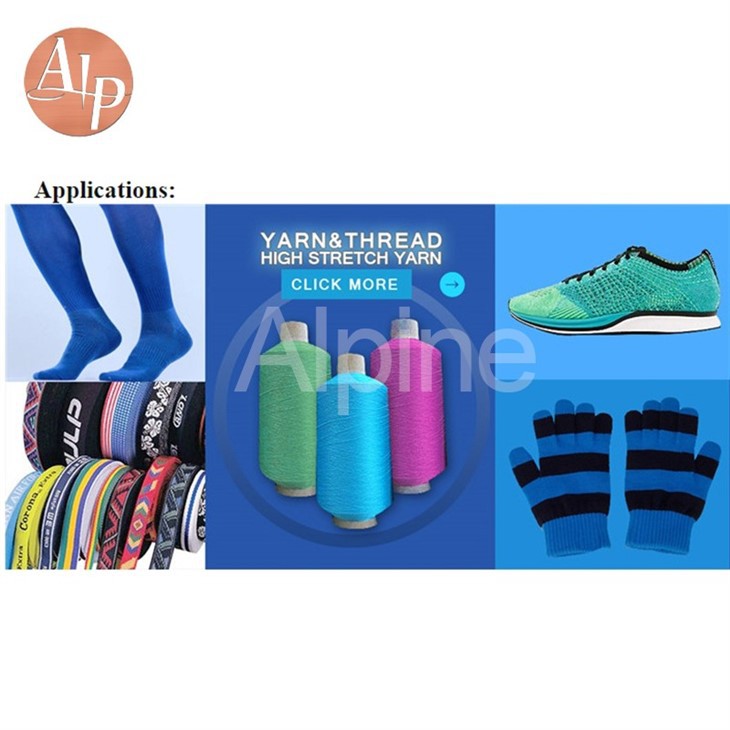
Dty Yarn, or Draw Textured Yarn, is another great choice. Dty yarn has a textured surface that gives rugs a soft and plush feel. It's also very flexible, which makes it easy to work with during the rug-making process. You can create different patterns and designs using Dty yarn, from simple geometric shapes to intricate floral motifs.
Then there's 100 Micro Polyester Yarn. As the name suggests, this yarn is made up of very fine polyester fibers, which gives rugs a smooth and luxurious look. Micro polyester yarn is often used for high-end rugs because of its softness and sheen.
The Rug-Making Process with Polyester Yarn
Making a rug with 100% polyester yarn is relatively straightforward. The first step is to choose the design and size of the rug. You can either come up with your own design or use a pre-made pattern. Once you have the design, you'll need to measure and cut the polyester yarn to the appropriate length.
Next, you'll need to choose a rug-making technique. There are several techniques you can use, such as tufting, weaving, or crocheting. Tufting is a popular method because it's relatively fast and allows you to create rugs with different pile heights. Weaving, on the other hand, is a more traditional method that gives rugs a more structured and durable finish. Crocheting is a great option if you want to add a personal touch to your rug, as you can create unique stitches and patterns.
After you've chosen the technique, it's time to start working on the rug. This involves attaching the polyester yarn to a backing material, such as burlap or canvas. You'll need to be careful and precise during this process to ensure that the rug looks even and professional.
Once the rug is complete, you'll need to trim the edges and add a finishing touch, such as a fringe or binding. This will give the rug a polished look and prevent the edges from fraying.
Advantages of Using 100% Polyester Yarn in Rugs
In addition to the durability, stain resistance, and colorfastness mentioned earlier, there are other advantages of using 100% polyester yarn in rugs. One of the main advantages is the cost. Polyester yarn is generally more affordable than natural fibers like wool or silk, which makes it a great option for budget-conscious consumers. You can get a high-quality rug at a lower price when you choose polyester yarn.
Another advantage is the availability. Polyester yarn is widely available in different colors, thicknesses, and textures, which gives you a lot of options when it comes to designing your rug. You can mix and match different types of polyester yarn to create a unique and personalized rug that suits your style and needs.
Considerations When Using 100% Polyester Yarn for Rugs
While 100% polyester yarn has many advantages for rug-making, there are also a few considerations to keep in mind. One of the main considerations is the breathability. Polyester is a synthetic fiber, which means it doesn't breathe as well as natural fibers. This can make the rug feel a bit warm and stuffy, especially in hot and humid climates. To mitigate this issue, you can choose a polyester yarn with a looser weave or add some natural fibers to the rug to improve its breathability.
Another consideration is the static electricity. Polyester yarn can generate static electricity, especially in dry environments. This can cause the rug to attract dust and lint, and it can also be a bit uncomfortable to walk on. To reduce static electricity, you can use an anti-static spray or add some moisture to the air using a humidifier.
Conclusion
So, to answer the question, yes, 100% polyester yarn can definitely be used for making rugs. It offers a lot of benefits, such as durability, stain resistance, colorfastness, and affordability. With different types of polyester yarn available, you can create rugs in a variety of styles and designs to suit your taste and needs.
If you're interested in using 100% polyester yarn for your rug-making projects, I'd love to hear from you. We have a wide range of high-quality polyester yarns in different colors and textures, and we can work with you to find the perfect yarn for your project. Whether you're a professional rug-maker or a DIY enthusiast, we're here to help you create beautiful and long-lasting rugs.
Feel free to reach out to us to discuss your requirements and start the procurement process. We look forward to working with you!
References
- Textile Institute. "Polyester Fibers: Properties and Applications."
- Journal of Textile Science and Technology. "Advances in Polyester Yarn Technology for Home Textiles."