


Fully Drawn Yarn (FDY) has emerged as a significant player in the textile industry, and one common question that often arises is whether FDY yarn can be used for weaving. As a trusted supplier of FDY yarn, I am excited to delve into this topic and shed light on the viability and benefits of using FDY yarn in the weaving process.
Understanding FDY Yarn
Before we explore its suitability for weaving, it's essential to understand what FDY yarn is. FDY is a type of polyester yarn that undergoes a unique manufacturing process. Unlike partially oriented yarn (POY), which requires further processing to be fully drawn, FDY is drawn and oriented during the spinning process. This results in a yarn that has high strength, good dimensional stability, and a smooth surface.
FDY yarn is available in various deniers, which refers to the linear mass density of the yarn. Different deniers can be selected based on the specific requirements of the weaving project. Additionally, FDY yarn can be produced in different colors, allowing for greater versatility in fabric design.
Suitability of FDY Yarn for Weaving
The short answer is yes; FDY yarn can indeed be used for weaving. In fact, it offers several advantages that make it a popular choice among weavers.
One of the key benefits of using FDY yarn for weaving is its high strength. The orientation of the polymer molecules during the manufacturing process gives FDY yarn excellent tensile strength, which is crucial for withstanding the stresses and strains of the weaving process. This means that FDY yarn is less likely to break or snap during weaving, resulting in a more efficient and productive weaving operation.
Another advantage of FDY yarn is its dimensional stability. The fully drawn and oriented structure of FDY yarn ensures that it maintains its shape and size even after repeated washing and wearing. This is particularly important for woven fabrics that need to retain their shape and fit over time. FDY yarn also has low shrinkage properties, which helps to prevent the fabric from shrinking or distorting during laundering.
The smooth surface of FDY yarn is another factor that makes it suitable for weaving. The smoothness of the yarn allows it to glide easily through the weaving machinery, reducing friction and minimizing the risk of damage to the yarn. This results in a more uniform and consistent fabric with fewer defects. Additionally, the smooth surface of FDY yarn gives the woven fabric a shiny and lustrous appearance, which can enhance its aesthetic appeal.
Applications of Woven FDY Yarn Fabrics
Woven fabrics made from FDY yarn have a wide range of applications across various industries. In the fashion industry, FDY yarn is commonly used to produce clothing items such as shirts, dresses, skirts, and trousers. The high strength and dimensional stability of FDY yarn make it ideal for creating garments that are durable and long-lasting. The smooth surface of the yarn also gives the fabric a luxurious feel, making it suitable for high-end fashion items.
In the home textile industry, FDY yarn is used to make bedding, curtains, upholstery, and other decorative fabrics. The dimensional stability of FDY yarn ensures that these fabrics maintain their shape and appearance over time, even with regular use and washing. The shiny and lustrous surface of the yarn also adds a touch of elegance to the home decor.
FDY yarn is also used in technical textiles, such as automotive fabrics, industrial filters, and geotextiles. In these applications, the high strength and durability of FDY yarn are essential for ensuring the performance and reliability of the end products.
Considerations for Weaving with FDY Yarn
While FDY yarn offers many advantages for weaving, there are a few considerations that weavers should keep in mind.
One of the main considerations is the choice of weaving machine. Different types of weaving machines may require different settings and parameters to ensure optimal performance with FDY yarn. For example, some weaving machines may require a higher tension setting to prevent the yarn from slipping or bunching during the weaving process. It's important to consult with the machine manufacturer or a technical expert to determine the appropriate settings for your specific weaving machine.
Another consideration is the compatibility of FDY yarn with other materials. When weaving fabrics, it's common to combine FDY yarn with other types of yarns or fibers to achieve the desired properties and characteristics. However, it's important to ensure that the different materials are compatible with each other to avoid issues such as pilling, shrinkage, or color bleeding. It's recommended to conduct small-scale tests before starting a large-scale weaving project to ensure the compatibility of the materials.
Finally, the finishing process is also an important consideration when using FDY yarn for weaving. The finishing process can have a significant impact on the appearance and performance of the woven fabric. For example, certain finishing treatments can enhance the softness, moisture-wicking properties, or anti-static properties of the fabric. It's important to choose the appropriate finishing process based on the specific requirements of the end product.
Conclusion
In conclusion, FDY yarn is a versatile and suitable material for weaving. Its high strength, dimensional stability, smooth surface, and other properties make it an ideal choice for a wide range of weaving applications. Whether you're a fashion designer, a home textile manufacturer, or a technical textile producer, FDY yarn can help you create high-quality, durable, and aesthetically pleasing woven fabrics.
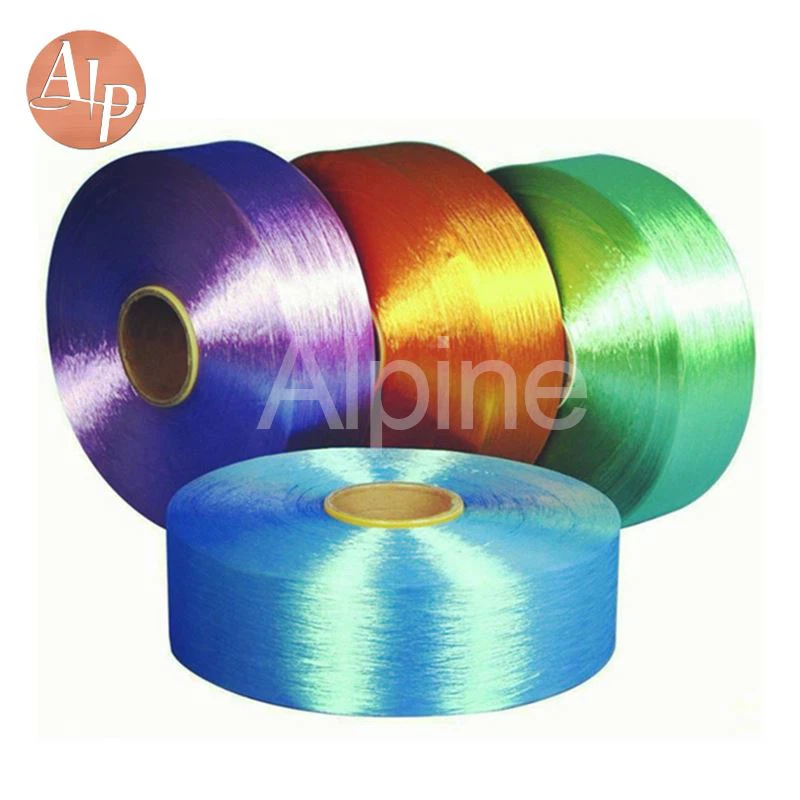

As a supplier of FDY yarn, we are committed to providing our customers with the highest quality products and excellent customer service. If you're interested in using FDY yarn for your weaving projects, we invite you to [contact us for a detailed discussion and to explore potential purchasing options]. We have a wide range of FDY yarn products available, including Polyester Fabric Yarn, Polyester Fabric Yarn, and Polyester Filament Yarn. Our team of experts is always ready to assist you with any questions or concerns you may have.
References
- Textile Institute. (Year). Handbook of Textile Fibres.
- Morton, W. E., & Hearle, J. W. S. (Year). Physical Properties of Textile Fibres.