


Poly viscose yarn, a blend of polyester and viscose fibers, has been gaining significant attention in the textile industry. As a leading supplier of Poly Viscose Yarn, I am often asked whether this type of yarn can be used for weaving. In this blog post, I will delve into the characteristics of poly viscose yarn, its suitability for weaving, and the various applications it can be used for.
Understanding Poly Viscose Yarn
Poly viscose yarn, also known as Polyester Viscose Yarn, is a combination of polyester and viscose fibers. Polyester is a synthetic fiber known for its strength, durability, and resistance to wrinkles and shrinking. On the other hand, viscose is a semi-synthetic fiber made from wood pulp, which offers a soft, smooth, and breathable texture similar to natural fibers like cotton and silk.
By blending these two fibers, poly viscose yarn combines the best properties of both polyester and viscose. It inherits the strength and durability of polyester, making it suitable for high-stress applications, while also providing the softness and breathability of viscose, enhancing the comfort of the final product.
Suitability for Weaving
One of the key factors in determining whether a yarn is suitable for weaving is its physical properties. Poly viscose yarn has several characteristics that make it an excellent choice for weaving:
Strength and Durability
As mentioned earlier, polyester contributes to the strength and durability of poly viscose yarn. This makes the yarn less prone to breakage during the weaving process, reducing downtime and increasing productivity. Additionally, the finished woven fabric is more resistant to wear and tear, making it suitable for a wide range of applications, from everyday clothing to heavy-duty industrial fabrics.
Softness and Comfort
The viscose component in poly viscose yarn gives it a soft and smooth texture, similar to natural fibers. This makes the woven fabric comfortable to wear, especially for long periods. The breathability of viscose also helps to regulate body temperature, keeping the wearer cool and dry.
Dyeability
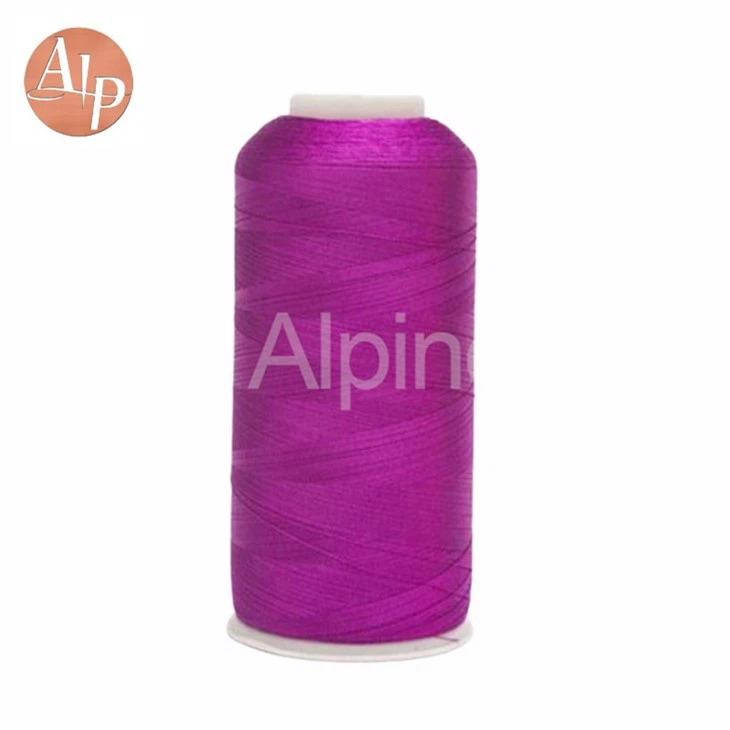
Poly viscose yarn has excellent dyeability, allowing for a wide range of colors and patterns to be achieved during the weaving process. This makes it a popular choice for creating vibrant and eye-catching fabrics, whether for fashion, home decor, or other applications.

Drape and Hand
The combination of polyester and viscose in poly viscose yarn results in a fabric with good drape and hand. Drape refers to the way a fabric hangs and flows, while hand refers to the feel of the fabric to the touch. Poly viscose yarn produces a fabric that drapes well, giving it an elegant and sophisticated appearance, and has a pleasant hand, making it comfortable to handle.
Weaving Techniques
Poly viscose yarn can be woven using a variety of techniques, including plain weave, twill weave, and satin weave. Each technique produces a different fabric structure and appearance, allowing for a wide range of creative possibilities.

Plain Weave
Plain weave is the simplest and most common weaving technique. In a plain weave, the warp and weft yarns alternate over and under each other, creating a balanced and stable fabric. Plain weave fabrics made from poly viscose yarn are often used for lightweight clothing, such as shirts, blouses, and dresses, as well as for home decor items, such as curtains and tablecloths.
Twill Weave
Twill weave is characterized by a diagonal pattern on the fabric surface. In a twill weave, the warp and weft yarns interlace in a pattern that creates a series of diagonal lines. Twill weave fabrics made from poly viscose yarn are more durable and have a higher thread count than plain weave fabrics, making them suitable for heavier clothing, such as pants, jackets, and suits, as well as for upholstery and industrial applications.
Satin Weave
Satin weave is a smooth and shiny fabric with a characteristic sheen. In a satin weave, the warp or weft yarns float over several other yarns before interlacing, creating a smooth and lustrous surface. Satin weave fabrics made from poly viscose yarn are often used for formal clothing, such as evening gowns and wedding dresses, as well as for lingerie and home decor items, such as bedding and pillowcases.
Applications of Woven Poly Viscose Yarn
The versatility of poly viscose yarn makes it suitable for a wide range of applications in the textile industry. Some of the common applications of woven poly viscose yarn include:
Apparel
Poly viscose yarn is widely used in the production of apparel, including shirts, blouses, dresses, pants, jackets, and suits. The softness, comfort, and breathability of the yarn make it a popular choice for everyday clothing, while its strength and durability make it suitable for more formal and heavy-duty garments.
Home Decor
Woven poly viscose yarn is also used in the production of home decor items, such as curtains, tablecloths, bedding, and pillowcases. The vibrant colors and patterns that can be achieved with poly viscose yarn make it a popular choice for adding a touch of style and elegance to any home.
Industrial Applications
In addition to apparel and home decor, poly viscose yarn is also used in a variety of industrial applications, such as upholstery, automotive interiors, and technical textiles. The strength and durability of the yarn make it suitable for high-stress applications, while its softness and comfort make it suitable for applications where contact with the skin is required.
Conclusion
In conclusion, poly viscose yarn is an excellent choice for weaving due to its strength, durability, softness, comfort, dyeability, and drape. It can be woven using a variety of techniques to produce a wide range of fabrics with different structures and appearances, making it suitable for a wide range of applications in the textile industry.
As a supplier of Poly Viscose Yarn, I am committed to providing high-quality yarns that meet the needs of our customers. If you are interested in using poly viscose yarn for your weaving projects, I encourage you to contact us to discuss your requirements and learn more about our products. We look forward to working with you to create beautiful and functional fabrics that meet your specific needs.
References
- "Textile Fibers: Properties, Performance, and Processing," by Peter H. Townsend
- "Handbook of Fiber Science and Technology," edited by Menachem Lewin and Eli M. Pearce
- "The Science of Textiles," by John Shuttleworth