


As a supplier of Viscose Filament Yarn, I often get asked whether this type of yarn can be used for making curtains. In this blog post, I'll delve into the properties of Viscose Filament Yarn and explore its suitability for curtain production.
Properties of Viscose Filament Yarn
Viscose Filament Yarn is a semi - synthetic fiber made from wood pulp or other cellulose sources. It has several characteristics that make it an interesting option for various textile applications, including curtain making.
Aesthetic Appeal
One of the most significant advantages of Viscose Filament Yarn is its luxurious look. It has a natural sheen that mimics the luster of silk. When used in curtains, this sheen can add an elegant and sophisticated touch to any room. The yarn can be dyed easily, allowing for a wide range of color options. Whether you're looking for bright, bold colors to make a statement or soft, pastel shades for a more subtle look, Viscose Filament Yarn can be customized to meet your aesthetic requirements.
Softness and Drape
Viscose Filament Yarn is extremely soft to the touch. This softness not only makes the curtains comfortable to handle but also contributes to their excellent drape. Curtains made from this yarn will fall gracefully, creating smooth folds that enhance the overall visual appeal. The natural flow of the yarn gives the curtains a fluid and elegant appearance, which is highly desirable in interior design.
Breathability
Another important property of Viscose Filament Yarn is its breathability. Unlike some synthetic fibers, viscose allows air to circulate through the fabric. This is beneficial for curtains as it helps to prevent the build - up of moisture and reduces the likelihood of mold and mildew growth. Additionally, breathable curtains can contribute to a more comfortable indoor environment by allowing fresh air to flow in and out of the room.
Advantages of Using Viscose Filament Yarn for Curtains
Cost - effectiveness
Compared to natural silk, Viscose Filament Yarn is a more affordable option. It offers a similar luxurious look and feel at a fraction of the cost. This makes it an attractive choice for consumers who want to achieve an elegant look for their curtains without breaking the bank. For interior designers and decorators, using Viscose Filament Yarn can also help to keep project costs down while still delivering high - quality results.
Versatility
Viscose Filament Yarn can be used in a variety of curtain styles. It can be woven into different patterns, such as plain weaves, twills, or damasks, to create unique and interesting designs. Whether you prefer simple, minimalist curtains or more elaborate, decorative ones, viscose can be adapted to suit your style. It can also be combined with other fibers, such as cotton or polyester, to enhance certain properties like durability or wrinkle - resistance.
Light - filtering
Curtains made from Viscose Filament Yarn can provide good light - filtering capabilities. They can block out a significant amount of sunlight during the day, helping to keep the room cool and reducing glare on electronic devices. At the same time, they can also create a soft, diffused light in the evening, adding a warm and inviting atmosphere to the room.
Challenges and Considerations
Durability
One of the main challenges of using Viscose Filament Yarn for curtains is its relatively low durability compared to some other fibers. Viscose is prone to abrasion and can weaken when wet. This means that curtains made from viscose may require more careful handling and maintenance. For example, they should be washed gently and dried flat to prevent stretching or damage. However, with proper care, viscose curtains can still last for a reasonable amount of time.
Shrinkage
Viscose Filament Yarn has a tendency to shrink when exposed to water. When making curtains, it's important to pre - shrink the fabric before cutting and sewing to minimize this issue. This can be done by washing the fabric in lukewarm water and then allowing it to air dry. Additionally, it's advisable to follow the care instructions carefully to avoid further shrinkage over time.
Other Viscose - based Yarn Options
If you're considering using viscose for your curtains but are concerned about the durability of Viscose Filament Yarn, there are other options available. For example, Poly Viscose Yarn is a blend of viscose and polyester. The addition of polyester enhances the strength and durability of the yarn, making it more resistant to abrasion and shrinkage. This type of yarn still retains some of the softness and drape of viscose, while offering better performance in terms of long - term use.
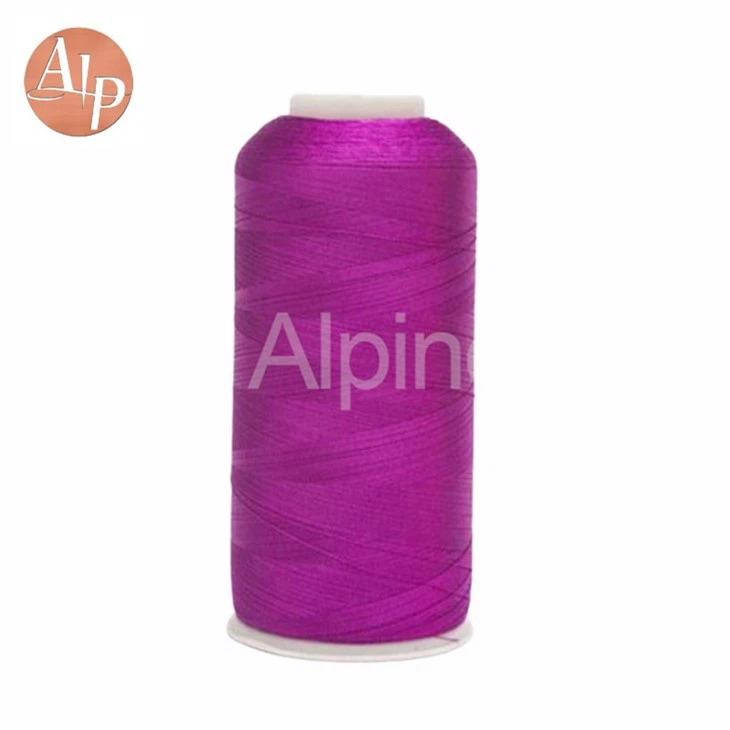

Another option is Viscose Yarn for Knitting. While it's primarily designed for knitting, it can also be used in curtain making. Knitted curtains made from viscose yarn can have a unique, textured look that adds a touch of warmth and coziness to the room.
Conclusion
In conclusion, Viscose Filament Yarn can definitely be used for making curtains. Its aesthetic appeal, softness, drape, and breathability make it a great choice for creating elegant and comfortable window coverings. However, it's important to be aware of its limitations in terms of durability and shrinkage. By taking proper care of the curtains and considering alternative viscose - based yarns, you can enjoy the benefits of viscose while ensuring that your curtains last.
If you're interested in purchasing Viscose Filament Yarn for your curtain - making projects, or if you have any questions about our products, please feel free to contact us. We're always happy to assist you in finding the right yarn for your needs. You can explore our full range of Viscose Filament Yarn on our website.
References
- Textile Institute. "Handbook of Textile Fibres: Man - Made Fibres." Woodhead Publishing, 2011.
- Lewis, D. M. "The Chemistry of Textiles." Royal Society of Chemistry, 2007.