


Hey there! As a supplier of Polyester Viscose Yarn, I've seen firsthand how crucial the pH value of the dyeing solution can be in the dyeing process. In this blog, I'm gonna break down how the pH value affects the dyeing of Polyester Viscose Yarn and why it matters for all of us in the industry.
Understanding Polyester Viscose Yarn
Before we dive into the pH stuff, let's quickly chat about Polyester Viscose Yarn. Polyester Viscose Yarn, also known as Poly Viscose Yarn, is a blend of polyester and viscose fibers. This blend combines the best of both worlds. Polyester offers strength, durability, and resistance to wrinkles, while viscose provides a soft, smooth feel and good absorbency. The result is a yarn that's versatile and can be used in a wide range of applications, from clothing to home textiles. You can explore more about Polyester Viscose Yarns on our website.
The Role of pH in Dyeing
The pH value of a solution is a measure of its acidity or alkalinity. It's measured on a scale from 0 to 14, where 7 is neutral, values below 7 are acidic, and values above 7 are alkaline. In the dyeing process, the pH value of the dyeing solution can have a significant impact on how the dye interacts with the yarn.

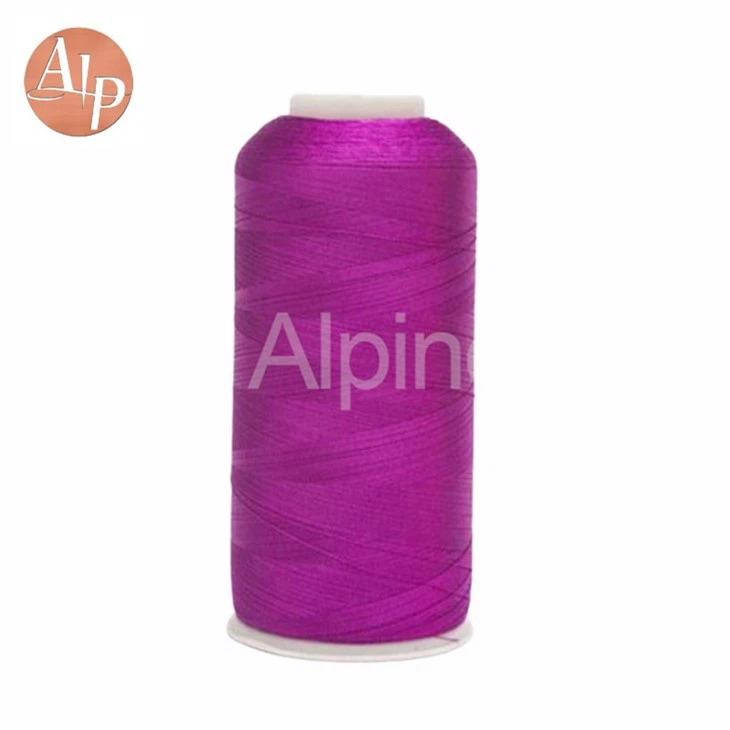
Dye Uptake
One of the most important ways the pH value affects dyeing is through dye uptake. Dye uptake refers to the amount of dye that is absorbed by the yarn. Different dyes have different optimal pH ranges for maximum dye uptake. For example, some acid dyes work best in acidic conditions (pH 2 - 6), while reactive dyes often require alkaline conditions (pH 8 - 11) for proper fixation.
In the case of Polyester Viscose Yarn, the blend of fibers means that different dyes may be used to color each fiber type. Polyester is typically dyed with disperse dyes, which are non - ionic and work well in slightly acidic to neutral conditions (pH 5 - 7). Viscose, on the other hand, can be dyed with a variety of dyes, including reactive and direct dyes, which may require different pH levels.
If the pH value of the dyeing solution is not within the optimal range for a particular dye, the dye uptake may be reduced. This can result in uneven coloration, lighter than expected shades, or poor color fastness. For instance, if the pH is too high for a disperse dye used on polyester, the dye may not dissolve properly or may hydrolyze, leading to less dye being absorbed by the polyester fibers.
Dye Fixation
Dye fixation is another critical aspect affected by the pH value. Fixation refers to the process by which the dye becomes permanently attached to the yarn fibers. The pH value can influence the chemical reactions that occur during fixation.
Reactive dyes, which are commonly used for viscose fibers, form covalent bonds with the fiber molecules. These reactions are highly dependent on the pH of the solution. In an alkaline environment, the reactive groups on the dye can react more readily with the hydroxyl groups on the viscose fibers, resulting in better fixation. If the pH is too low, the reaction may not occur efficiently, and the dye may not be firmly attached to the fibers, leading to poor color fastness.
Fiber Damage
The pH value can also affect the integrity of the yarn fibers. Extreme pH values, either too acidic or too alkaline, can cause damage to the fibers. For example, strong alkaline solutions can cause hydrolysis of the viscose fibers, leading to a loss of strength and reduced quality. Similarly, highly acidic solutions can damage the polyester fibers and affect their physical properties.
When dyeing Polyester Viscose Yarn, it's essential to maintain a pH value that is within the acceptable range for both fiber types to ensure that the yarn remains strong and of high quality after dyeing.
Controlling the pH Value
So, how do we control the pH value of the dyeing solution? There are several ways to adjust and maintain the pH during the dyeing process.
Buffering Agents
Buffering agents are commonly used to control the pH of the dyeing solution. These are substances that can resist changes in pH when small amounts of acid or base are added. For example, acetic acid - sodium acetate buffers can be used to maintain a slightly acidic pH for disperse dyeing of polyester. By using a buffer, we can ensure that the pH remains stable throughout the dyeing process, even as the dye and other chemicals are added.
pH Monitoring
Regular pH monitoring is also crucial. pH meters are widely used in the dyeing industry to measure the pH of the dyeing solution accurately. By taking regular readings, we can make adjustments as needed to keep the pH within the optimal range.
Practical Considerations in Dyeing Polyester Viscose Yarn
When dyeing Polyester Viscose Yarn, we need to consider the specific requirements of each fiber type. Since polyester and viscose have different dyeing characteristics, a two - step dyeing process may be used in some cases.
First, the polyester fibers can be dyed with disperse dyes in a slightly acidic to neutral solution. After that, the viscose fibers can be dyed with reactive or direct dyes in an alkaline solution. This approach allows us to optimize the dyeing conditions for each fiber type and achieve better color results.
It's also important to note that different batches of yarn may have slightly different properties, which can affect the dyeing process. Therefore, it's always a good idea to conduct small - scale dyeing tests before starting a large - scale production to ensure that the pH value and other dyeing parameters are appropriate.
Conclusion
In conclusion, the pH value of the dyeing solution plays a crucial role in the dyeing of Polyester Viscose Yarn. It affects dye uptake, dye fixation, and the integrity of the yarn fibers. By understanding the relationship between pH and dyeing, and by carefully controlling the pH value through the use of buffering agents and regular monitoring, we can achieve better color results, improve color fastness, and maintain the quality of the yarn.
If you're in the market for high - quality Polyester Viscose Yarns, we're here to help. We have a wide range of products to meet your needs, and our team has extensive experience in the dyeing process. Whether you're a clothing manufacturer, a home textile producer, or anyone in between, we'd love to work with you. If you're interested in discussing your requirements or have any questions about our products, don't hesitate to reach out for a procurement discussion.
References
- Lewis, D. M. (Ed.). (2007). The chemistry of textile fibers. Woodhead Publishing.
- Shore, J. (2003). Chemical principles of textile coloration. Society of Dyers and Colourists.