


Hey there! As a supplier of Poly Viscose Yarn, I often get asked about how much this type of yarn shrinks when washed. It's a crucial question, especially for those who are into knitting or using the yarn for various textile projects. In this blog, I'll break down everything you need to know about the shrinkage of Poly Viscose Yarn.
First off, let's understand what Poly Viscose Yarn is. Poly Viscose Yarn is a blend of polyester and viscose fibers. Polyester is known for its durability, wrinkle - resistance, and low shrinkage. On the other hand, viscose is a semi - synthetic fiber made from wood pulp. It has a soft, smooth feel and good absorbency, similar to natural fibers like cotton. You can check out more about Poly Viscose Yarn on our website.
The shrinkage of Poly Viscose Yarn when washed depends on several factors. One of the most significant factors is the ratio of polyester to viscose in the blend. Generally, the more viscose there is in the yarn, the higher the potential for shrinkage. Viscose fibers tend to swell and shrink when exposed to water, especially warm or hot water.
If you're using Viscose Yarn for Knitting, you'll notice that pure viscose yarn can shrink up to 10 - 15% in the first wash. However, when viscose is blended with polyester in Poly Viscose Yarn, the shrinkage rate is usually lower. A common blend might be 60% polyester and 40% viscose. In this case, the shrinkage could be around 3 - 7% in a normal wash.
Another factor that affects shrinkage is the washing conditions. If you wash the yarn in hot water, the shrinkage will be more significant compared to cold water. High - speed spinning in the washing machine can also cause more shrinkage as it puts more stress on the fibers. Moreover, the drying method plays a huge role. Tumble - drying on high heat will make the yarn shrink more than air - drying.
Let's talk about how you can test the shrinkage of Poly Viscose Yarn. Before using the yarn for a big project, it's a good idea to take a small sample of the yarn. Measure the length and width of the sample precisely. Then, wash it in the conditions you plan to use for the final project. For example, if you usually wash your knitted items in warm water and tumble - dry on low heat, do the same with the sample.
After the wash and dry cycle, measure the sample again. Calculate the difference in length and width, and you'll get an idea of how much the yarn will shrink. This way, you can adjust your pattern or project size accordingly.
If you're worried about shrinkage, there are some steps you can take to minimize it. First, always wash the yarn in cold water. This reduces the swelling of the viscose fibers. Second, avoid high - speed spinning in the washing machine. Instead, choose a gentle cycle. When it comes to drying, air - drying is the best option. Lay the knitted item flat on a towel and reshape it while it's still damp. This helps the fibers retain their shape and reduces shrinkage.
Now, let's compare Poly Viscose Yarn with other types of yarns in terms of shrinkage. Cotton yarn can shrink quite a bit, similar to viscose, especially if it's not pre - shrunk. Wool yarn also has a relatively high shrinkage rate, and it can felt if not washed properly. Polyester yarn, on the other hand, has very low shrinkage. That's why the blend of polyester and viscose in Poly Viscose Yarn gives a balance between the softness of viscose and the low - shrinkage property of polyester.
As a supplier of Polyester Viscose Yarns, I know that our customers are always looking for high - quality yarns with predictable shrinkage. We take great care in the production process to ensure that our Poly Viscose Yarn has consistent shrinkage rates. We test our yarns regularly to make sure they meet the standards we set.
In addition to shrinkage, Poly Viscose Yarn has many other advantages. It has a nice drape, which makes it perfect for making flowing garments like scarves and dresses. It's also relatively easy to care for compared to some natural fibers. The blend gives it a good balance of strength and softness.
If you're in the market for Poly Viscose Yarn, we offer a wide range of options. Our yarns come in different colors, thicknesses, and blends. Whether you're a professional knitter or just starting out, we have the right yarn for you.
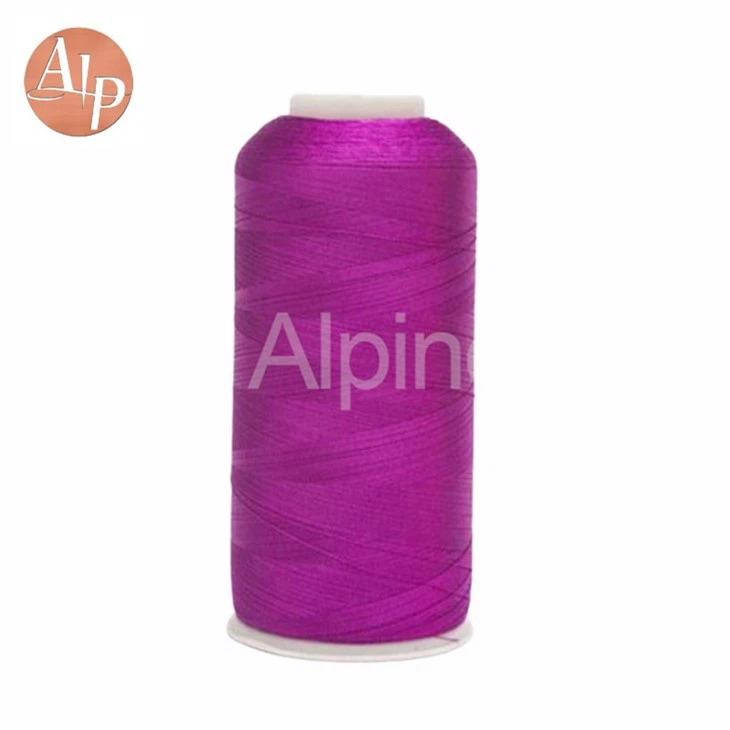

So, if you're interested in our Poly Viscose Yarn, don't hesitate to get in touch with us for a purchase and further discussion. We're here to help you with all your yarn - related needs and make your knitting or textile projects a success.
References:
- Textile Fiber Science, Third Edition by John W. S. Hearle
- The Knitter's Book of Yarn by Clara Parkes