


Hey there! As a supplier of Full Drawn Yarn, I've had my fair share of customers asking about how to make this yarn softer. Well, you've come to the right place! In this blog, I'll be sharing some tips and tricks on how to achieve that super-soft feel for your Full Drawn Yarn.
First off, let's understand what Full Drawn Yarn is. Full Drawn Yarn, also known as Fdy Yarn, is a type of synthetic yarn that's widely used in the textile industry. It's made from polyester and has a smooth, even texture. It's popular because it's strong, durable, and has a nice sheen. But sometimes, it can feel a bit stiff or rough, especially when compared to natural fibers like cotton or wool.
So, how can we make it softer? Let's dive into some methods.
1. Chemical Softening Agents
One of the most common ways to soften Full Drawn Yarn is by using chemical softening agents. These agents work by coating the yarn fibers, reducing friction between them, and giving the yarn a softer, smoother feel.
There are different types of softening agents available, such as cationic, anionic, and non-ionic softeners. Cationic softeners are great for adding a soft, fluffy feel to the yarn. They also have good antistatic properties, which can be a plus, especially in dry environments. Anionic softeners, on the other hand, are more suitable for yarns that will be dyed or printed. They don't interfere with the color fastness of the yarn. Non-ionic softeners are milder and can be used on a wide range of yarns. They're also compatible with most other textile chemicals.
When using chemical softening agents, it's important to follow the manufacturer's instructions carefully. You need to use the right amount of the agent and ensure that it's evenly distributed throughout the yarn. This can usually be done by soaking the yarn in a solution containing the softening agent for a certain period of time, followed by rinsing and drying.
2. Mechanical Treatments
Mechanical treatments can also help to soften Full Drawn Yarn. One such treatment is called "milling." Milling involves subjecting the yarn to a combination of heat, moisture, and pressure. This process causes the yarn fibers to move and rub against each other, which in turn makes the yarn softer and more compact.
Another mechanical treatment is "brushing." Brushing the yarn with a soft brush can help to loosen the fibers on the surface of the yarn, giving it a softer, fuzzier feel. This is especially effective for creating a more natural, rustic look for the yarn.
3. Blending with Softer Fibers
Blending Full Drawn Yarn with softer fibers is another great way to make it softer. You can blend it with natural fibers like cotton, silk, or wool, or with other synthetic fibers that have a softer feel.

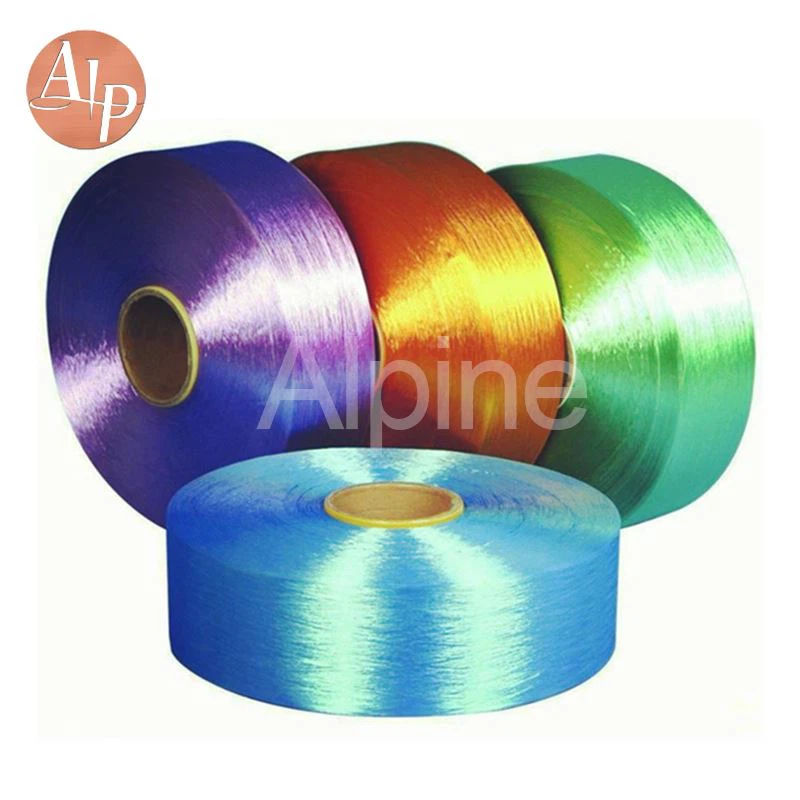
For example, blending Polyester Fully Drawn Yarn with cotton can result in a yarn that combines the strength and durability of polyester with the softness and breathability of cotton. Similarly, blending it with silk can add a luxurious, smooth feel to the yarn.
When blending fibers, it's important to consider the ratio of each fiber. A higher percentage of the softer fiber will generally result in a softer yarn. However, you also need to take into account the properties of the other fiber and how it will affect the overall performance of the yarn.
4. Heat Treatment
Heat treatment can also play a role in softening Full Drawn Yarn. By subjecting the yarn to a controlled amount of heat, you can change the structure of the yarn fibers, making them more flexible and softer.
One common heat treatment method is called "annealing." Annealing involves heating the yarn to a specific temperature and then cooling it slowly. This process helps to relieve internal stresses in the yarn fibers, making them more pliable.
It's important to note that heat treatment needs to be done carefully. Too much heat can damage the yarn and cause it to lose its strength and other properties. So, it's crucial to follow the recommended temperature and time guidelines for the specific type of Full Drawn Yarn you're working with.
5. Proper Storage and Handling
Believe it or not, how you store and handle Full Drawn Yarn can also affect its softness. Storing the yarn in a dry, cool place can help to prevent it from becoming stiff or brittle. Avoid exposing the yarn to extreme temperatures or humidity, as this can damage the fibers and make the yarn less soft.
When handling the yarn, be gentle. Avoid pulling or tugging on the yarn too hard, as this can cause the fibers to break or become misaligned, which can make the yarn feel rough.
Why Softening Matters
You might be wondering why it's so important to make Full Drawn Yarn softer. Well, there are several reasons. Firstly, softer yarns are more comfortable to wear. Whether it's used in clothing, bedding, or other textile products, a soft yarn will feel better against the skin and won't cause irritation.
Secondly, softer yarns often have a better aesthetic appeal. They look and feel more luxurious, which can increase the value of the final product. This is especially important in the high-end fashion and home decor markets.
Finally, softening the yarn can also improve its processability. Softer yarns are easier to work with, whether it's during knitting, weaving, or other textile manufacturing processes.
Conclusion
So, there you have it! These are some of the ways to make Full Drawn Yarn softer. Whether you choose to use chemical softening agents, mechanical treatments, blending, heat treatment, or a combination of these methods, the key is to experiment and find the approach that works best for your specific needs.
If you're in the market for Polyester Fabric Yarn or have any questions about softening Full Drawn Yarn, I'd love to hear from you. Feel free to reach out and start a conversation about your procurement needs. Let's work together to create the perfect, soft Full Drawn Yarn products!
References
- Textile Chemistry and Technology: Fundamentals of Fibre Science by A. S. Dhamija
- Handbook of Fiber Chemistry by Menachem Lewin