


As a supplier of 100% polyester yarn, I've had countless conversations with customers, artisans, and manufacturers about the characteristics and workability of this material. In this blog, I'll share my insights on whether 100% polyester yarn is easy to work with, drawing from my years of experience in the industry.
Understanding 100% Polyester Yarn
Before delving into its workability, it's essential to understand what 100% polyester yarn is. Polyester is a synthetic polymer made from petrochemicals. It's known for its durability, resistance to wrinkles, and quick - drying properties. When spun into yarn, these characteristics are retained, making it a popular choice in various textile applications.
One of the significant advantages of 100% polyester yarn is its consistency. Unlike natural fibers such as wool or cotton, which can vary in quality and thickness from batch to batch, polyester yarn offers a high level of uniformity. This consistency is a boon for those who require precision in their work, whether it's knitting, crocheting, or weaving.
Ease of Handling
When it comes to the physical act of working with 100% polyester yarn, it scores quite high. The smooth texture of polyester yarn allows it to glide easily through knitting needles or crochet hooks. This reduces the friction that can cause hand fatigue, especially during long projects.
For example, if you're knitting a large afghan, using a rough or sticky yarn can make the process tiresome. In contrast, polyester yarn's smoothness ensures that you can work for extended periods without discomfort. Additionally, the yarn doesn't snag easily, which is a common problem with some natural fibers. This means fewer interruptions during your work, as you won't have to constantly untangle snags or knots.
Colorfastness and Dyeing
Color is an important aspect of any textile project. 100% polyester yarn has excellent colorfastness, which means that the colors don't fade easily when exposed to light, water, or friction. This is a huge advantage for items that will be frequently washed or used outdoors, such as outdoor cushions or clothing.
If you're interested in dyeing the yarn yourself, polyester can present a bit of a challenge. Unlike natural fibers, which can be dyed using relatively simple methods, polyester requires special dyes and techniques. However, once the dyeing process is successful, the results are long - lasting and vibrant. There are many resources available online that can guide you through the process of dyeing Dty Yarn or other types of polyester yarn.
Strength and Durability
The strength of 100% polyester yarn is one of its most appealing features. It can withstand a great deal of tension without breaking, making it suitable for heavy - duty projects. For instance, if you're making a rug or a tote bag, you need a yarn that can handle the stress of daily use. Polyester yarn's high tensile strength ensures that your finished product will last for a long time.
Moreover, polyester is resistant to mildew, mold, and insects. This makes it an ideal choice for projects that will be stored in damp or humid environments. You don't have to worry about your yarn being damaged by pests or moisture, which can be a significant concern with natural fibers.
Compatibility with Different Techniques
100% polyester yarn is versatile and can be used in a wide range of textile techniques. Whether you're a beginner or an experienced crafter, you'll find that it adapts well to different methods.
In knitting, it can be used to create everything from delicate lace patterns to thick, warm sweaters. The smoothness of the yarn allows for precise stitch formation, and its elasticity helps the knitted fabric hold its shape. Crocheters also appreciate the ease with which polyester yarn can be manipulated. It's great for creating amigurumi toys, scarves, and blankets.
Weaving with polyester yarn is also a popular choice. Its strength and consistency make it suitable for both warp and weft threads. You can create beautiful tapestries, table runners, or even clothing using polyester yarn on a loom.
Potential Drawbacks
No material is perfect, and 100% polyester yarn does have a few potential drawbacks. One of the main concerns is its breathability. Polyester is not as breathable as natural fibers like cotton or linen. This means that items made from polyester yarn may feel hot and sticky when worn in warm weather. However, this can be mitigated by using thinner weights of polyester yarn or by blending it with more breathable fibers.
Another issue is its environmental impact. As a synthetic fiber, polyester is derived from petrochemicals, which are non - renewable resources. Additionally, polyester fibers can shed microplastics when washed, which can end up in the environment. However, many manufacturers are now working on more sustainable production methods and recycling initiatives to address these concerns.
Comparing with Other Yarns
When compared to other types of yarn, 100% polyester yarn has its unique place. Natural fibers like wool are soft and warm, but they can be more expensive and require special care. Cotton is breathable and easy to dye, but it may not be as durable as polyester.

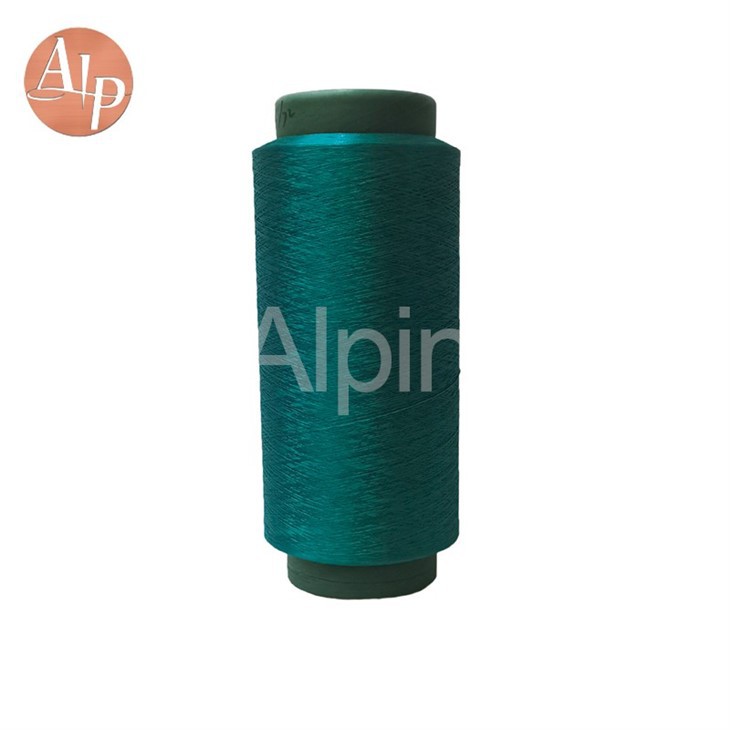
Dty Polyester Yarn offers a balance between cost - effectiveness, durability, and ease of use. It's often more affordable than natural fibers, making it a great option for large - scale projects or for those on a budget.
Conclusion
In conclusion, 100% polyester yarn is generally easy to work with. Its smooth texture, strength, colorfastness, and compatibility with different techniques make it a favorite among crafters and manufacturers alike. While it does have some drawbacks, such as limited breathability and environmental concerns, these can be managed with proper planning and the use of sustainable practices.
If you're considering using 100% polyester yarn for your next project, I encourage you to give it a try. As a supplier, I have a wide range of polyester yarns available, including Dty Yarn in various colors and thicknesses. Whether you're a hobbyist looking for a new challenge or a manufacturer in need of a reliable yarn source, I'd be happy to discuss your requirements and help you find the perfect yarn for your project. Feel free to reach out to me to start a conversation about your procurement needs.
References
- "Textile Science" by John Wardman. This book provides in - depth knowledge about different types of fibers, including polyester, and their properties.
- Online resources from textile research institutions, which offer up - to - date information on the latest developments in polyester yarn production and usage.
- Personal experience and customer feedback over the years as a 100% polyester yarn supplier.