


Is Dty a common abbreviation?
Hey there! I'm a supplier of Dty, and I often get asked if "Dty" is a common abbreviation. Well, let's dive into this topic and find out.
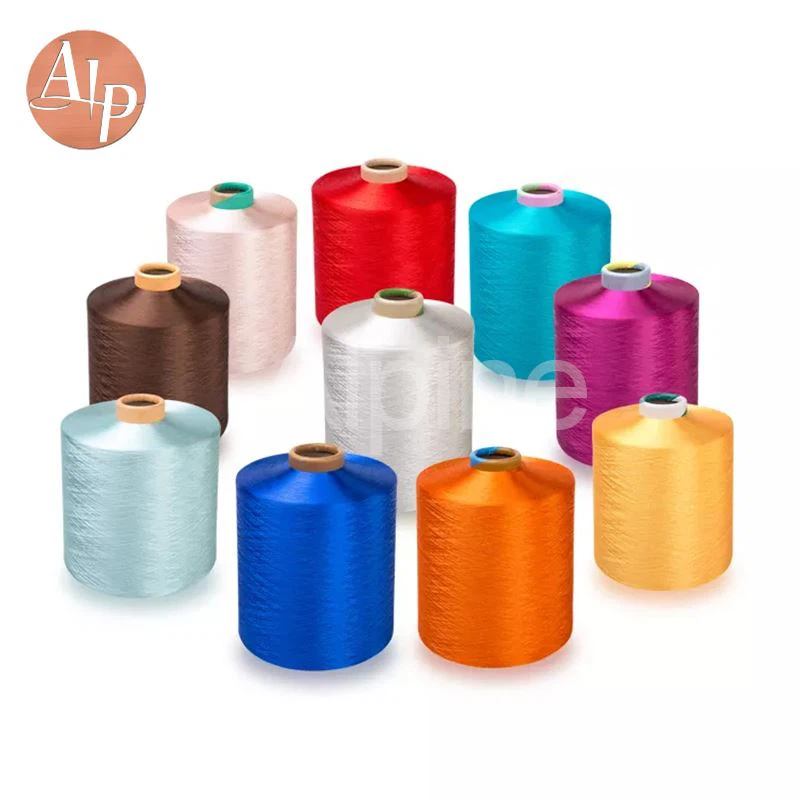
First off, Dty stands for Draw Textured Yarn. It's a type of synthetic yarn that's widely used in the textile industry. I've been in the Dty business for quite a while now, and I can tell you that in the textile world, Dty is indeed a pretty common term.
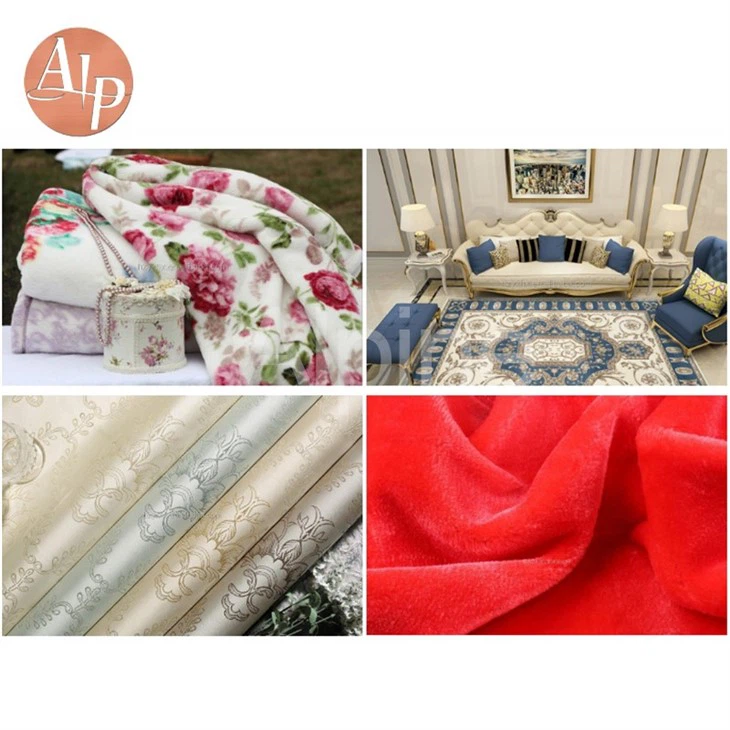
When you're dealing with fabrics and yarns, there are tons of abbreviations floating around. But Dty has its own niche. It's used to make all sorts of products, from clothing to home textiles. For example, a lot of the soft, stretchy clothes you wear might be made from Dty. It gives the fabric a nice texture and good elasticity.
In the industry, people talk about Dty all the time. Whether it's manufacturers looking for high - quality yarns to make their products, or designers trying to find the right material for their latest collection, Dty is often on their radar.
Now, if you're not in the textile industry, you might not have heard of Dty before. That's completely normal. Just like how people in different fields have their own jargon, the textile world has its share of abbreviations. But once you start getting into it, you'll realize how important Dty is.
Let's talk a bit more about the different types of Dty. There's Polyester Weaving Yarn, which is great for weaving all kinds of fabrics. It has good strength and can withstand the weaving process well. Then there's Polyester Draw Textured Yarn, which is more focused on the draw - texturing process to give it that unique texture and properties. And don't forget about Recycled Polyester Filament Yarn. With the growing concern for the environment, recycled Dty is becoming more and more popular. It's made from recycled polyester materials, which is not only good for the planet but also offers similar quality to non - recycled Dty.
As a Dty supplier, I've seen the demand for these different types of Dty fluctuate over the years. Sometimes, there's a big push for recycled options, and other times, traditional polyester Dty is in high demand. It all depends on market trends and consumer preferences.
One of the things that make Dty so common in the textile industry is its versatility. You can use it in so many different ways. It can be used in combination with other fibers to create hybrid fabrics with unique properties. For example, mixing Dty with cotton can give you a fabric that has the softness of cotton and the stretch and durability of Dty.
Another reason for its popularity is its cost - effectiveness. Compared to some other high - end yarns, Dty offers a good balance between quality and price. This makes it a favorite among manufacturers who are looking to keep their production costs down without sacrificing too much on the quality of the final product.
But it's not all smooth sailing. There are also challenges in the Dty market. For instance, the price of raw materials can be quite volatile. This can make it difficult for suppliers like me to keep our prices stable. And with new technologies emerging all the time, there's always pressure to improve the quality and performance of Dty.
In terms of its commonness outside the textile industry, it's still a bit of a mystery to most people. If you were to ask someone on the street what Dty is, chances are they won't have a clue. But as the textile industry continues to grow and evolve, and as more sustainable and innovative products are made from Dty, I think the awareness of this abbreviation will increase.
So, to sum it up, in the textile industry, Dty is definitely a common abbreviation. It's a key player in the production of a wide range of textile products. But outside of this industry, it's still relatively unknown.
If you're in the textile business and are looking for a reliable Dty supplier, I'd love to have a chat with you. Whether you're interested in Polyester Weaving Yarn, Polyester Draw Textured Yarn, or Recycled Polyester Filament Yarn, I can provide you with high - quality products at competitive prices. Feel free to reach out and let's start a conversation about your Dty needs.
References
- Textile Industry Reports: Various reports on the textile market trends and the use of Dty.
- Industry Magazines: Publications that cover the latest news and developments in the textile and Dty sectors.