


As a supplier of Viscose Filament Yarn, I often encounter questions from customers about its environmental friendliness. In this blog, I will delve into this topic, exploring the various aspects that determine whether Viscose Filament Yarn can be considered an environmentally - friendly choice.
What is Viscose Filament Yarn?
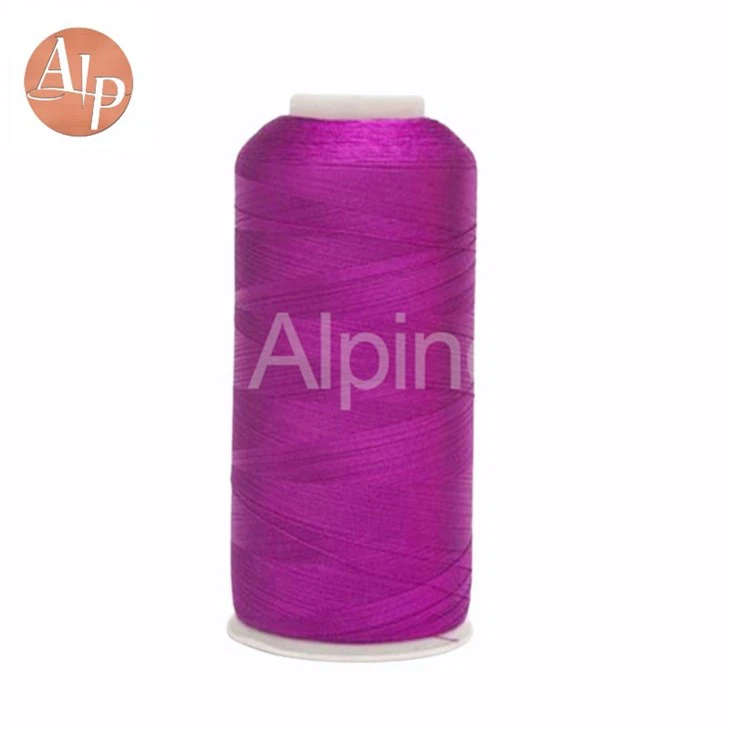
Viscose Filament Yarn is a semi - synthetic fiber made from natural cellulose, typically sourced from wood pulp, bamboo, or cotton linters. The production process involves dissolving the cellulose in a chemical solution to create a viscous substance, which is then extruded through spinnerets to form filaments. These filaments are then spun into yarn. Viscose Filament Yarn is known for its softness, sheen, and excellent drape, making it a popular choice in the textile industry for a wide range of applications, from clothing to home furnishings. You can learn more about it on our website Viscose Filament Yarn.

The Environmental Pros of Viscose Filament Yarn
Renewable Raw Materials
One of the most significant advantages of Viscose Filament Yarn is its use of renewable raw materials. Wood pulp, bamboo, and cotton linters are all natural resources that can be replenished over time. Unlike synthetic fibers such as polyester, which are derived from non - renewable fossil fuels, the raw materials for Viscose Filament Yarn can be sustainably sourced. For example, bamboo is a fast - growing plant that can be harvested every 3 - 5 years without causing significant environmental damage. If managed properly, forests used for wood pulp can also be a sustainable source of cellulose, as long as reforestation efforts are in place.
Biodegradability
Viscose Filament Yarn is biodegradable. When disposed of in the environment, it will break down over time, unlike many synthetic fibers that can persist in landfills for hundreds of years. This means that products made from Viscose Filament Yarn have a lower long - term environmental impact in terms of waste accumulation. In a composting environment, the cellulose in the yarn will be decomposed by microorganisms, returning nutrients to the soil.
Energy Efficiency in Some Cases
In certain production processes, Viscose Filament Yarn can be more energy - efficient compared to some synthetic fibers. The production of synthetic fibers often requires high - energy processes such as polymerization and extrusion at high temperatures. In contrast, the production of Viscose Filament Yarn, especially when using modern and optimized production methods, can consume less energy. Additionally, some manufacturers are exploring the use of renewable energy sources, such as hydroelectric or solar power, in the production of Viscose Filament Yarn, further reducing its carbon footprint.
The Environmental Cons of Viscose Filament Yarn
Chemical Usage in Production
The production of Viscose Filament Yarn involves the use of various chemicals. The most common process, the viscose process, uses carbon disulfide, sodium hydroxide, and sulfuric acid. These chemicals can be hazardous to human health and the environment if not properly managed. Carbon disulfide is a volatile and toxic substance that can cause air pollution if released into the atmosphere. Sodium hydroxide and sulfuric acid are strong corrosive chemicals that can contaminate water sources if not treated correctly. In some regions with lax environmental regulations, the improper disposal of these chemicals has led to water pollution and soil degradation.
Deforestation Concerns
Although the raw materials for Viscose Filament Yarn are renewable, there are concerns about deforestation. In some cases, the demand for wood pulp has led to the over - harvesting of forests, especially in developing countries. Illegal logging and the conversion of natural forests into monoculture tree plantations can have a significant impact on biodiversity, soil quality, and water cycles. These plantations often lack the ecological complexity of natural forests and may require large amounts of pesticides and fertilizers, further contributing to environmental problems.
Water Consumption
The production of Viscose Filament Yarn is water - intensive. Large amounts of water are used in the various stages of the production process, including the dissolving of cellulose, the washing of the filaments, and the treatment of the chemicals. In regions where water is scarce, this high water consumption can put a strain on local water resources. Moreover, the wastewater generated during production contains chemicals and impurities that need to be treated before being discharged, which requires additional energy and resources.
Sustainable Solutions in Viscose Filament Yarn Production
Responsible Sourcing
To address the deforestation concerns, many Viscose Filament Yarn manufacturers are now focusing on responsible sourcing. This involves obtaining raw materials from forests that are certified by organizations such as the Forest Stewardship Council (FSC). FSC - certified forests are managed in an environmentally, socially, and economically sustainable manner. By using FSC - certified wood pulp, manufacturers can ensure that the raw materials for Viscose Filament Yarn come from well - managed forests that support biodiversity and protect the rights of local communities.
Chemical Management and Waste Treatment
To reduce the environmental impact of chemical usage, manufacturers are investing in advanced chemical management and waste treatment technologies. These technologies aim to minimize the release of hazardous chemicals into the environment. For example, some companies are using closed - loop systems in which the chemicals are recycled and reused within the production process. Wastewater treatment plants are also being upgraded to remove chemicals and impurities more effectively before discharging the water back into the environment.
Innovation in Production Processes
There is ongoing research and development in the field of Viscose Filament Yarn production to find more environmentally friendly processes. For instance, some researchers are exploring alternative solvents that are less toxic than carbon disulfide. New production methods are also being developed to reduce water consumption and energy usage. These innovations have the potential to make Viscose Filament Yarn an even more sustainable choice in the future.
Conclusion
The question of whether Viscose Filament Yarn is environmentally friendly is not straightforward. It has both positive and negative environmental aspects. On one hand, its use of renewable raw materials and biodegradability are significant environmental benefits. On the other hand, the chemical usage, deforestation concerns, and high water consumption in its production are areas of concern.
However, with the increasing focus on sustainability in the textile industry, there are many efforts being made to mitigate the negative environmental impacts of Viscose Filament Yarn. Through responsible sourcing, improved chemical management, and innovation in production processes, Viscose Filament Yarn can become a more environmentally friendly option.
If you are interested in our Viscose Filament Yarn products, or other related products such as Viscose Yarn for Knitting and Poly Viscose Yarn, we welcome you to contact us for procurement and further discussions. We are committed to providing high - quality and sustainable Viscose Filament Yarn products to meet your needs.
References
- "Textile Fibre Science" by Peter H. Hearle
- "Sustainable Textiles: Life Cycle and Environmental Impact" by Kate Fletcher
- Reports from the Forest Stewardship Council (FSC) on sustainable forest management