


As a seasoned supplier of Polyester Fabric Yarn, I've witnessed firsthand the transformative power of blending this versatile material with other fibers. This blog post delves into the numerous benefits of such blends, offering insights for those in the textile industry looking to enhance their product offerings.
1. Enhanced Durability
Polyester is renowned for its exceptional strength and resistance to wear and tear. When blended with other fibers like cotton or wool, it significantly improves the overall durability of the fabric. For instance, a polyester - cotton blend can withstand repeated washing and daily use without losing its shape or color. This is particularly important for items such as workwear, uniforms, and household linens. The polyester component reinforces the fabric, making it less prone to fraying and pilling, which extends the lifespan of the end - product.
2. Improved Comfort
While polyester on its own may not be the most breathable fiber, blending it with natural fibers can address this issue. When combined with cotton, which is highly breathable and absorbent, the resulting fabric offers the best of both worlds. The cotton allows air to circulate and wicks away moisture from the skin, while the polyester provides shape retention. This makes the fabric ideal for clothing, especially in warm climates or for active individuals. Similarly, blending polyester with silk can create a luxurious fabric that drapes well and feels soft against the skin, while also being more durable than pure silk.
3. Cost - Efficiency
Polyester is generally more affordable than many natural fibers. By blending polyester fabric yarn with other fibers, manufacturers can reduce the cost of production without sacrificing too much on quality. For example, a blend of polyester and cashmere can offer a similar look and feel to pure cashmere at a fraction of the price. This makes the product more accessible to a wider range of consumers, increasing market demand. As a Polyester Fabric Yarn supplier, I understand the importance of providing cost - effective solutions to our clients, and blending is a great way to achieve this.
4. Versatility in Design
Blending polyester with other fibers opens up a world of design possibilities. Different fibers have unique characteristics, and by combining them, designers can create fabrics with a wide range of textures, patterns, and colors. For example, blending polyester with rayon can result in a fabric that has a smooth, shiny surface and a fluid drape, which is perfect for evening wear. The ability to customize the fabric's properties allows for the creation of products that meet specific market needs and consumer preferences.
5. Easy Care
Polyester is known for its easy - care properties. It is resistant to wrinkles, dries quickly, and does not require special cleaning methods. When blended with other fibers, these easy - care features are transferred to the entire fabric. For example, a polyester - wool blend can be machine - washed and dried without the need for professional dry - cleaning, which is a significant advantage for consumers. This convenience factor can make the product more appealing in the market.
6. Environmental Benefits
In some cases, blending polyester with other fibers can have environmental benefits. For example, using recycled polyester in blends can reduce the demand for virgin polyester production, which is energy - intensive and has a significant environmental impact. Additionally, blending polyester with natural fibers can reduce the overall amount of synthetic materials in the fabric, making it more biodegradable. As the textile industry becomes more environmentally conscious, these blends can help manufacturers meet sustainability goals.
Polyester Filament Yarn and Its Blends
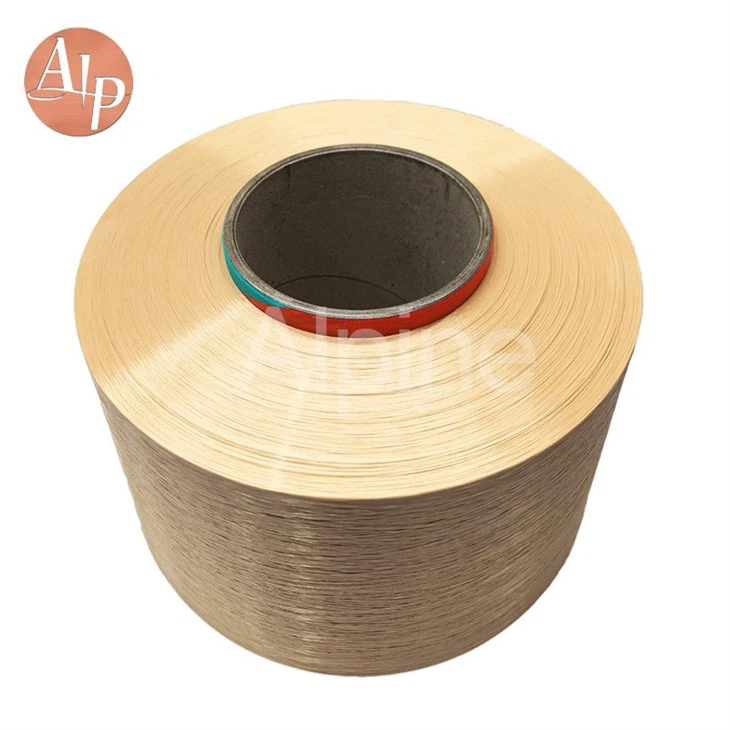
Polyester Filament Yarn is a popular choice for blending with other fibers. It offers high strength, low shrinkage, and excellent color fastness. When blended with natural fibers, it can enhance the fabric's performance and appearance. For example, blending polyester filament yarn with cotton can create a fabric that is both strong and breathable, suitable for a variety of applications such as shirts, dresses, and bedding.
Fdy Yarn Blends
Fdy Yarn, or Fully Drawn Yarn, is another type of polyester yarn that is commonly used in blends. Fdy yarn has a smooth surface and high luster, which can add a touch of elegance to the fabric. When blended with fibers like silk or linen, it can create a fabric with a luxurious look and feel. The blend can also improve the fabric's dimensional stability, making it less likely to stretch or shrink during use.
Full Drawn Yarn Blends
Full Drawn Yarn is similar to Fdy yarn in terms of its properties. It is often blended with other fibers to improve the fabric's strength, durability, and appearance. For example, blending full drawn yarn with wool can create a fabric that is warm, soft, and resistant to wrinkles. This type of blend is ideal for winter clothing such as sweaters and coats.
Conclusion
The benefits of blending polyester fabric yarn with other fibers are numerous and far - reaching. From enhanced durability and comfort to cost - efficiency and design versatility, these blends offer a solution for a wide range of textile applications. As a Polyester Fabric Yarn supplier, I am committed to providing high - quality products that enable our clients to create innovative and market - competitive fabrics.
If you are interested in exploring the possibilities of polyester blends for your textile products, I encourage you to reach out to me. We can discuss your specific needs and requirements, and I will be happy to provide samples and technical support. Let's work together to create fabrics that meet the highest standards of quality and performance.

References
- Textile Institute. "Handbook of Textile Fibres." Woodhead Publishing, 2016.
- The American Association of Textile Chemists and Colorists. "AATCC Technical Manual." AATCC, 2023.
- International Cotton Advisory Committee. "Cotton: World Statistics and Outlook." ICAC, 2023.