


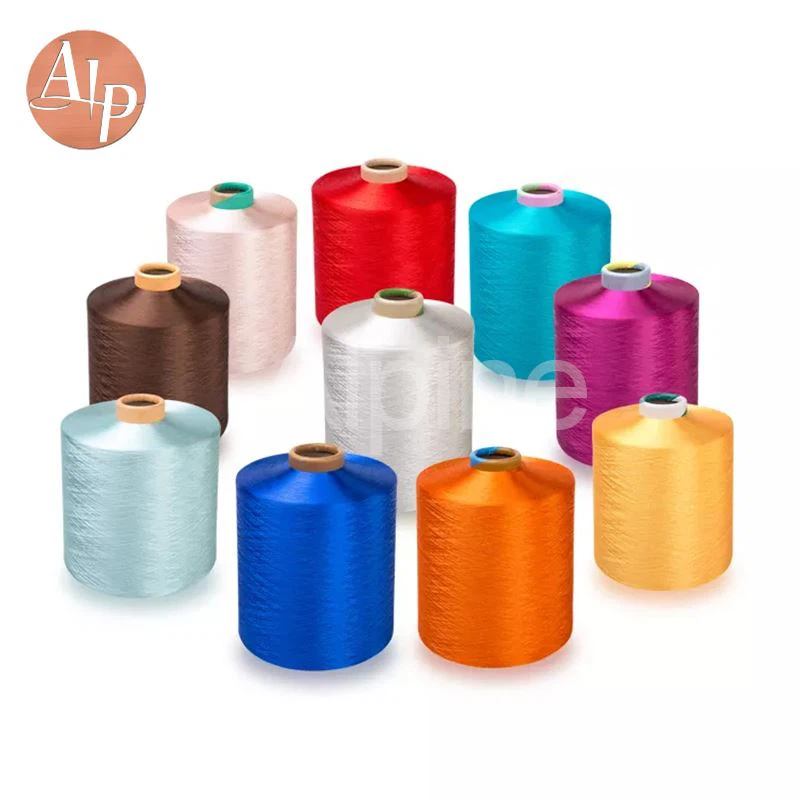
As a seasoned supplier of thick polyester yarn, I've witnessed firsthand the versatility and durability of products crafted from this remarkable material. Thick polyester yarn is widely used in various industries, from fashion and home decor to industrial applications, thanks to its strength, resistance to wrinkles, and ease of maintenance. However, to ensure the longevity and optimal performance of products made from thick polyester yarn, proper care instructions are essential. In this blog post, I'll share some valuable insights and tips on how to care for these products effectively.
Understanding the Properties of Thick Polyester Yarn
Before delving into the care instructions, it's crucial to understand the unique properties of thick polyester yarn. Polyester is a synthetic fiber known for its excellent strength, elasticity, and resistance to shrinking, stretching, and wrinkling. It is also highly resistant to moisture, mildew, and most chemicals, making it a popular choice for outdoor and high-traffic applications.
Thick polyester yarn, in particular, offers enhanced durability and stability, making it suitable for heavy-duty use. It can withstand repeated washing, drying, and wear without losing its shape or color, making it an ideal material for products that require long-lasting performance.
General Care Guidelines
When it comes to caring for products made from thick polyester yarn, the following general guidelines can help you maintain their quality and appearance:
- Read the Care Label: Always check the care label attached to the product for specific instructions. The care label provides valuable information on the recommended washing temperature, detergent type, and drying method, as well as any special care requirements.
- Sort Your Laundry: Separate your polyester items from other fabrics to prevent color bleeding and damage. Wash dark-colored polyester items separately from light-colored ones to avoid staining.
- Use Mild Detergent: Choose a mild, non-bleaching detergent that is suitable for synthetic fabrics. Avoid using harsh chemicals or bleach, as they can damage the polyester fibers and cause discoloration.
- Wash in Cold or Warm Water: Polyester can be washed in cold or warm water, depending on the care label instructions. Cold water is generally recommended for delicate or colored polyester items to prevent fading and shrinking, while warm water can be used for heavily soiled items.
- Avoid Overloading the Washing Machine: Overloading the washing machine can prevent the polyester items from getting clean and may cause them to tangle or stretch. Follow the manufacturer's recommendations for the maximum load capacity of your washing machine.
- Use a Gentle Cycle: Select a gentle or delicate cycle on your washing machine to minimize agitation and prevent damage to the polyester fibers. Avoid using the heavy-duty or permanent press cycle, as they can be too harsh for polyester.
- Rinse Thoroughly: Make sure to rinse the polyester items thoroughly to remove all traces of detergent. Residual detergent can cause the fabric to feel stiff and may attract dirt and stains.
- Shake Out the Items: After washing, shake out the polyester items to remove any wrinkles and prevent them from setting. Hang the items up to dry or lay them flat on a clean, dry surface.
Specific Care Instructions for Different Types of Products
In addition to the general care guidelines, the following specific care instructions can help you care for different types of products made from thick polyester yarn:
Clothing
- Tops and Bottoms: Machine wash polyester tops and bottoms in cold or warm water on a gentle cycle. Use a mild detergent and avoid using fabric softener, as it can leave a residue on the fabric and reduce its absorbency. Hang the items up to dry or lay them flat on a clean, dry surface. Avoid wringing or twisting the items, as it can cause them to stretch or lose their shape.
- Dresses and Skirts: Polyester dresses and skirts can be machine washed or dry cleaned, depending on the care label instructions. If machine washing, use a gentle cycle and cold or warm water. Hang the items up to dry or lay them flat on a clean, dry surface. If dry cleaning, choose a professional dry cleaner who has experience with synthetic fabrics.
- Outerwear: Polyester outerwear, such as jackets and coats, should be machine washed on a gentle cycle in cold or warm water. Use a mild detergent and avoid using fabric softener. Hang the items up to dry or lay them flat on a clean, dry surface. If the outerwear has a lining, make sure to turn it inside out before washing to prevent damage.
Home Decor
- Curtains and Drapes: Polyester curtains and drapes can be machine washed or dry cleaned, depending on the care label instructions. If machine washing, use a gentle cycle and cold or warm water. Hang the items up to dry or lay them flat on a clean, dry surface. If the curtains or drapes have a lining, make sure to turn it inside out before washing to prevent damage.
- Bedding: Polyester bedding, such as sheets, pillowcases, and comforters, can be machine washed in cold or warm water on a gentle cycle. Use a mild detergent and avoid using fabric softener. Hang the items up to dry or lay them flat on a clean, dry surface. If the bedding has a duvet cover, make sure to remove it before washing and wash it separately.
- Rugs and Carpets: Polyester rugs and carpets can be vacuumed regularly to remove dirt and debris. For stains, spot clean the affected area with a mild detergent and water. Avoid using harsh chemicals or abrasive cleaners, as they can damage the polyester fibers and cause discoloration. If the rug or carpet is heavily soiled, it may need to be professionally cleaned.
Industrial Products
- Tarps and Covers: Polyester tarps and covers are commonly used in industrial applications to protect equipment, vehicles, and other items from the elements. To clean polyester tarps and covers, hose them down with water to remove dirt and debris. Use a mild detergent and a soft brush to scrub any stubborn stains. Rinse the tarps and covers thoroughly with water and allow them to air dry.
- Safety Nets and Barriers: Polyester safety nets and barriers are used in construction, sports, and other industries to prevent falls and provide protection. To clean polyester safety nets and barriers, hose them down with water to remove dirt and debris. Use a mild detergent and a soft brush to scrub any stubborn stains. Rinse the safety nets and barriers thoroughly with water and allow them to air dry.
- Conveyor Belts: Polyester conveyor belts are used in manufacturing and transportation industries to move materials from one place to another. To clean polyester conveyor belts, use a mild detergent and a soft brush to scrub the surface of the belt. Rinse the belt thoroughly with water and allow it to air dry. Avoid using harsh chemicals or abrasive cleaners, as they can damage the polyester fibers and cause the belt to slip or malfunction.
Additional Tips and Tricks
In addition to the care instructions mentioned above, the following tips and tricks can help you care for products made from thick polyester yarn more effectively:

- Avoid Ironing: Polyester is a heat-sensitive fiber and can melt or shrink if exposed to high temperatures. If you need to iron polyester items, use a low heat setting and place a pressing cloth between the iron and the fabric to prevent damage.
- Store Properly: When not in use, store polyester items in a cool, dry place away from direct sunlight. Avoid folding or hanging the items in a way that can cause creases or wrinkles. If possible, store the items in a garment bag or a plastic container to protect them from dust and dirt.
- Repair Minor Damage: If you notice any minor damage to your polyester items, such as a loose thread or a small tear, repair it as soon as possible to prevent it from getting worse. You can use a needle and thread to sew up the loose thread or a patch to cover the tear.
- Seek Professional Help: If you're unsure how to care for a particular polyester item or if it has a stubborn stain or damage, seek professional help. A professional cleaner or tailor can provide you with expert advice and assistance on how to care for your polyester items properly.
Conclusion
Caring for products made from thick polyester yarn is relatively easy and straightforward. By following the general care guidelines and specific care instructions mentioned in this blog post, you can maintain the quality and appearance of your polyester items and ensure their long-lasting performance.
As a supplier of thick polyester yarn, I'm committed to providing my customers with high-quality products and excellent customer service. If you have any questions or need further information on how to care for products made from thick polyester yarn, please don't hesitate to contact me. I'd be happy to assist you.
If you're interested in purchasing thick polyester yarn or any of our other Polyester Stretch Yarn, Polyester Microfiber Yarn, or Polyester Draw Textured Yarn, please feel free to reach out to me for a quote or to discuss your specific requirements. I look forward to working with you!
References
- American Cleaning Institute. (n.d.). Care and Maintenance of Polyester Fabrics. Retrieved from https://www.cleaninginstitute.org/cleaning-tips/care-and-maintenance-of-polyester-fabrics
- Polyester Technology Corporation. (n.d.). Polyester Care Instructions. Retrieved from https://www.polyestertechnology.com/polyester-care-instructions
- The Spruce. (n.d.). How to Wash Polyester. Retrieved from https://www.thespruce.com/how-to-wash-polyester-2146287