


As a trusted supplier of 100% polyester yarn, I often get asked about the absorbency of our product. In this blog post, I'll delve into the science behind the absorbency of 100% polyester yarn, explore its implications in various applications, and explain why our yarn stands out in the market.
Understanding the Absorbency of Polyester
Polyester is a synthetic polymer made from petroleum-derived chemicals. One of the key characteristics of polyester is its low absorbency. Unlike natural fibers such as cotton or wool, which have a porous structure that allows them to absorb and hold moisture, polyester fibers are hydrophobic, meaning they repel water.
The molecular structure of polyester contributes to its low absorbency. Polyester fibers are made up of long chains of repeating units that are tightly packed together. This dense structure leaves little room for water molecules to penetrate and be absorbed. As a result, polyester yarn has a low moisture regain, typically ranging from 0.4% to 0.8%. In contrast, cotton has a moisture regain of around 8.5%, which means it can absorb and hold much more water.
Implications of Low Absorbency
The low absorbency of 100% polyester yarn has several implications in different applications:
Quick Drying
One of the main advantages of polyester's low absorbency is its quick-drying property. Since polyester does not absorb much water, it dries much faster than natural fibers. This makes polyester yarn ideal for applications where moisture management is important, such as sportswear, outdoor clothing, and swimwear. For example, athletes can benefit from wearing polyester-based sportswear as it helps to keep them dry and comfortable during intense physical activity.
Resistance to Mold and Mildew
Because polyester does not absorb water, it is less prone to developing mold and mildew compared to natural fibers. Mold and mildew thrive in moist environments, and natural fibers that absorb and hold water can provide an ideal breeding ground for these microorganisms. Polyester yarn, on the other hand, is more resistant to mold and mildew growth, making it a better choice for applications in humid or damp conditions, such as outdoor furniture upholstery or marine fabrics.
Wrinkle Resistance
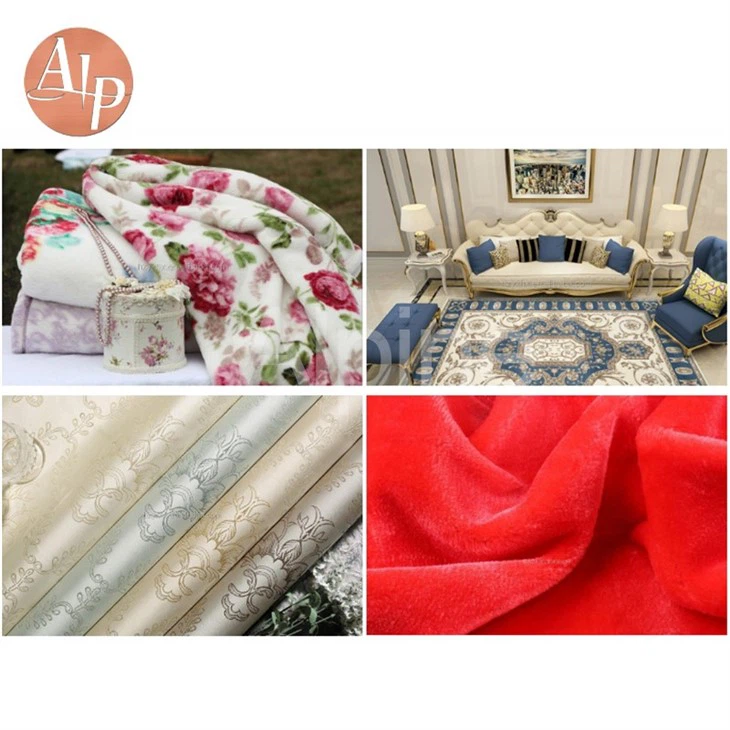
Polyester's low absorbency also contributes to its wrinkle resistance. When natural fibers absorb water, they tend to swell and become more prone to wrinkling. Polyester, however, does not absorb water, so it retains its shape better and is less likely to wrinkle. This makes polyester yarn a popular choice for clothing and home textiles that require minimal ironing, such as shirts, dresses, and bedsheets.

Limited Breathability
While the low absorbency of polyester has many advantages, it also has a drawback: limited breathability. Since polyester does not absorb moisture, it can trap sweat and heat against the skin, making the wearer feel hot and uncomfortable. This can be a problem in applications where breathability is important, such as underwear or sleepwear. To address this issue, manufacturers often blend polyester with natural fibers or use special finishes to improve the breathability of polyester fabrics.
Our 100% Polyester Yarn
At our company, we offer a wide range of high-quality 100% polyester yarns that are designed to meet the specific needs of our customers. Our yarns are made from premium-grade polyester fibers that are carefully selected and processed to ensure consistent quality and performance.
One of the key features of our polyester yarn is its excellent absorbency control. We have developed advanced manufacturing techniques that allow us to precisely control the absorbency of our yarns, making them suitable for a variety of applications. Whether you need a yarn with low absorbency for quick-drying sportswear or a yarn with slightly higher absorbency for improved breathability in underwear, we can provide you with the right solution.
In addition to our absorbency control, our polyester yarns also offer other benefits, such as high strength, colorfastness, and abrasion resistance. These properties make our yarns ideal for a wide range of applications, including Dty Polyester Yarn, Polyester Drawn Textured Yarn, and Polyester Weaving Yarn.
Applications of Our 100% Polyester Yarn
Our 100% polyester yarns are used in a variety of industries and applications, including:
Textile Industry
In the textile industry, our polyester yarns are used to make a wide range of products, such as clothing, home textiles, and industrial fabrics. Our yarns are popular among textile manufacturers because of their high quality, consistent performance, and cost-effectiveness.
Automotive Industry
In the automotive industry, our polyester yarns are used to make seat covers, carpets, and other interior components. Our yarns are chosen for their durability, stain resistance, and easy maintenance.
Packaging Industry
In the packaging industry, our polyester yarns are used to make ropes, twines, and other packaging materials. Our yarns are strong, lightweight, and resistant to abrasion, making them ideal for packaging applications.
Contact Us for Your Polyester Yarn Needs
If you are looking for a reliable supplier of high-quality 100% polyester yarn, look no further. We are committed to providing our customers with the best products and services at competitive prices. Whether you need a small quantity of yarn for a prototype or a large order for a production run, we can meet your needs.
To learn more about our 100% polyester yarns or to request a sample, please contact us today. Our team of experts will be happy to assist you and provide you with the information you need to make an informed decision.
References
- "Polyester Fibers: Properties and Applications" by John W. S. Hearle, et al.
- "Textile Science and Technology" edited by N. R. Rao
- "Handbook of Fiber Science and Technology" edited by Mark Lewin and Eli M. Pearce