


When it comes to bedding, the comfort level is of utmost importance. As a supplier of Polyester Fabric Yarn, I've had numerous discussions with customers about the comfort of bedding made from our products. In this blog, I'll delve into the comfort aspects of polyester fabric yarn in bedding, exploring its characteristics, advantages, and some potential drawbacks.
Characteristics of Polyester Fabric Yarn
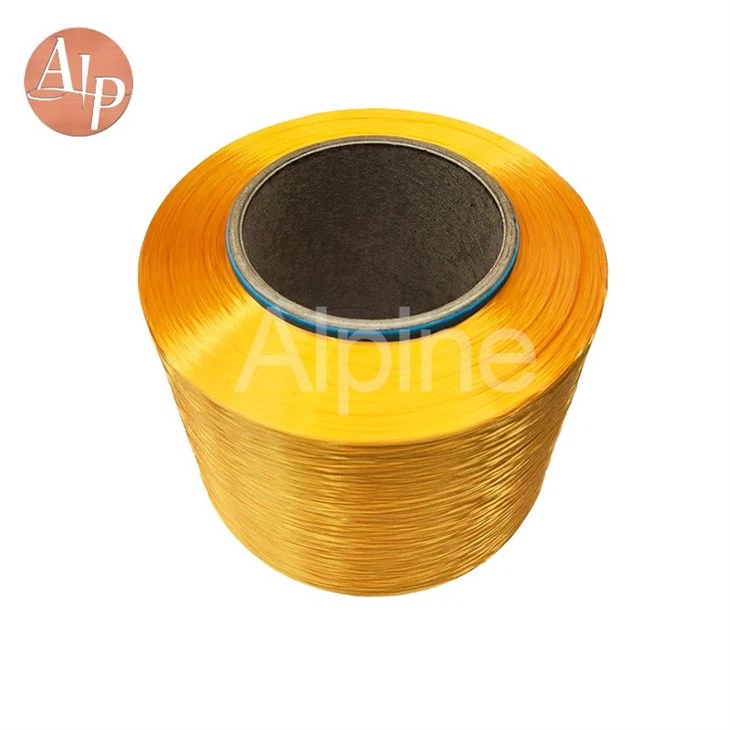
Polyester fabric yarn is a synthetic fiber that has been widely used in the textile industry for decades. It is made from polymers derived from petroleum, which are then spun into yarns. One of the key features of polyester yarn is its durability. Polyester fibers are strong and resistant to stretching, shrinking, and wrinkling. This means that bedding made from polyester fabric yarn can maintain its shape and appearance over a long period of time, even with regular use and washing.
Another important characteristic is its quick - drying property. Polyester has low moisture absorption, which allows it to dry much faster than natural fibers like cotton. This can be particularly beneficial in bedding, as it helps to keep the sleep environment dry and comfortable. For example, if you tend to sweat during the night, polyester bedding can wick away the moisture more efficiently, reducing the feeling of dampness and discomfort.
Polyester fabric yarn also offers a high level of colorfastness. It can hold dyes well, resulting in vibrant and long - lasting colors. This is great for bedding, as it allows for a wide range of color options to suit different interior design styles. Whether you prefer bold and bright colors or soft and muted tones, polyester bedding can meet your aesthetic needs.

Comfort Advantages of Polyester Bedding
Temperature Regulation
Polyester bedding can play a role in temperature regulation. Due to its low moisture absorption, it doesn't retain heat in the same way as some natural fibers. In hot weather, it can help keep you cool by allowing air to circulate more freely through the fabric. On the other hand, in colder temperatures, polyester can be combined with other insulating materials to provide warmth. For instance, Polyester Filament Yarn can be used in the construction of bedding that offers good thermal insulation properties.
Softness and Smoothness
Modern manufacturing techniques have enabled the production of polyester fabric yarn that is incredibly soft and smooth. The surface of polyester bedding feels gentle against the skin, providing a comfortable sleeping experience. Some types of polyester yarn, such as Polyester Chenille Yarn, have a plush and velvety texture that adds an extra layer of comfort.
Allergy - Friendly
For people with allergies, polyester bedding can be a great option. Unlike natural fibers like wool or down, polyester is hypoallergenic. It doesn't attract dust mites, mold, or mildew as easily, which can reduce the risk of allergic reactions. This makes it suitable for those with sensitive skin or respiratory issues.
Potential Drawbacks of Polyester Bedding
While polyester bedding has many advantages, it also has some potential drawbacks in terms of comfort. One of the main concerns is its breathability. Compared to natural fibers like cotton, polyester is less breathable. This means that it may not allow air to circulate as effectively, which can lead to a feeling of stuffiness, especially in warm and humid environments. However, advancements in textile technology have led to the development of more breathable polyester fabrics, such as those with micro - perforations or special wicking properties.
Another drawback is that polyester can sometimes feel static - prone. In dry conditions, static electricity can build up on the surface of the bedding, causing clothes and hair to stick to it. This can be a minor annoyance but can be mitigated by using anti - static sprays or adding a fabric softener during the washing process.
Comparing Polyester Bedding with Other Materials
To better understand the comfort level of polyester bedding, it's useful to compare it with other common bedding materials.
Cotton
Cotton is a natural fiber known for its breathability and softness. It is highly absorbent, which makes it great for absorbing sweat and keeping the body cool. However, cotton bedding may wrinkle easily and may not be as durable as polyester. Polyester, on the other hand, offers better durability and colorfastness, but may be less breathable. In some cases, a blend of polyester and cotton can combine the best of both worlds, providing good breathability along with durability and wrinkle - resistance.
Silk
Silk is a luxurious material that is extremely soft and smooth. It has excellent temperature - regulating properties and is hypoallergenic. However, silk is expensive and requires special care. Polyester bedding can offer a more affordable alternative with similar softness and some temperature - regulating capabilities.
Factors Affecting the Comfort of Polyester Bedding
Thread Count
The thread count of polyester bedding can significantly affect its comfort level. A higher thread count generally means a smoother and more luxurious feel. However, it's important to note that thread count is not the only factor to consider. The quality of the yarn and the weaving technique also play important roles.
Weave Type
Different weave types can create different textures and levels of comfort. For example, a sateen weave can give polyester bedding a smooth and shiny finish, while a twill weave can provide a more durable and textured surface.
Blending with Other Fibers
As mentioned earlier, blending polyester with other fibers can enhance its comfort. Blending with cotton can improve breathability, while blending with rayon can add softness. Poy Fdy can be used in various blends to achieve different performance characteristics.
Conclusion
In conclusion, the comfort level of bedding made from polyester fabric yarn is a complex topic. Polyester offers many advantages such as durability, quick - drying, colorfastness, and hypoallergenic properties. It can provide a comfortable sleeping experience, especially when considering factors like temperature regulation, softness, and allergy - friendliness. However, it also has some potential drawbacks such as lower breathability and static - prone issues.
As a supplier of Polyester Fabric Yarn, we are constantly working on improving the quality and comfort of our products. We offer a wide range of polyester yarns, including Polyester Chenille Yarn, Polyester Filament Yarn, and Poy Fdy, which can be used to create high - quality bedding.
If you are interested in exploring the possibilities of using our polyester fabric yarn for your bedding production, we would be more than happy to discuss your requirements. Contact us for further details and let's start a fruitful business partnership.
References
- Textile Chemistry and Technology, by H. Mark, S. M. Atlas, and E. Cernia
- Handbook of Fiber Science and Technology, Volume I: Fiber Chemistry, edited by M. Lewin and E. M. Pearce