


Yo, what's up! I'm a supplier of white polyester yarn, and today I wanna chat about the elasticity of white polyester yarn. It's a topic that's super important for anyone in the textile game, whether you're a manufacturer, a designer, or just someone curious about the ins and outs of this versatile material.
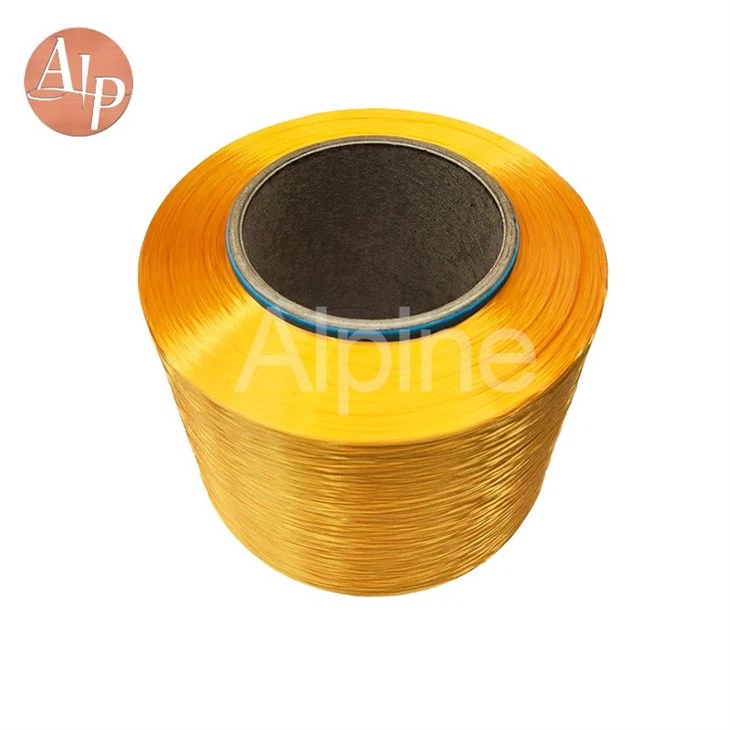
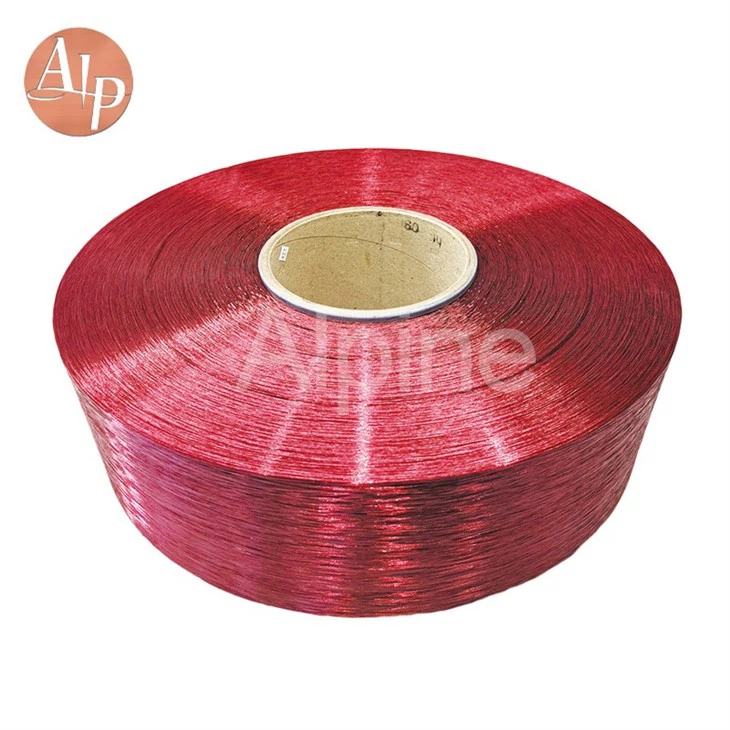
First off, let's break down what elasticity means in the context of white polyester yarn. Elasticity, in simple terms, is the ability of a material to stretch and then return to its original shape. When it comes to white polyester yarn, this property plays a huge role in how the yarn performs in different applications.
One of the key factors that affects the elasticity of white polyester yarn is its molecular structure. Polyester is a synthetic polymer made up of long chains of repeating units. These chains can be arranged in different ways, and the way they're structured impacts the yarn's elasticity. For example, yarns with a more linear molecular structure tend to have less elasticity, while those with a more branched or coiled structure can stretch more easily.
Another factor is the manufacturing process. The way the yarn is spun, drawn, and treated can all influence its elasticity. For instance, during the drawing process, the yarn is stretched to align the polymer chains, which can increase its strength and reduce its elasticity. On the other hand, certain treatments like heat setting can help to lock in a specific degree of elasticity.
Now, let's talk about why elasticity matters in white polyester yarn. In the textile industry, different applications require different levels of elasticity. For example, in athletic wear, you want a yarn that can stretch with the body's movements and then snap back into place. This ensures a comfortable fit and allows for a full range of motion. White polyester yarn with good elasticity is perfect for this because it can provide the necessary stretch without losing its shape over time.
In home textiles, such as bedding and curtains, elasticity might not be as crucial, but it can still play a role. A slightly elastic yarn can help to prevent wrinkles and keep the fabric looking smooth. It can also make the fabric more durable, as it can better withstand the wear and tear of daily use.
So, how do we measure the elasticity of white polyester yarn? There are a few different methods, but one of the most common is the tensile test. In a tensile test, a sample of the yarn is clamped at both ends and then slowly stretched until it breaks. The amount of stretch the yarn can withstand before breaking is measured, as well as the force required to stretch it. From these measurements, we can calculate the yarn's elasticity modulus, which is a measure of how stiff or flexible the yarn is.
As a supplier of white polyester yarn, I know that different customers have different needs when it comes to elasticity. That's why we offer a range of products with varying levels of elasticity. Whether you're looking for a highly elastic yarn for sportswear or a more rigid one for industrial applications, we've got you covered.
If you're in the market for white polyester yarn, you might also be interested in some of our other products. We offer Polyester Filament Yarn, which is known for its strength and durability. Our Soft Polyester Yarn is perfect for applications where a soft touch is required, like baby clothes or lingerie. And our Full Drawn Yarn is a great choice for high - performance textiles.
In conclusion, the elasticity of white polyester yarn is a complex but important property. It's influenced by factors like molecular structure and manufacturing process, and it has a big impact on how the yarn performs in different applications. Whether you're a big - time textile manufacturer or a small - scale designer, understanding the elasticity of white polyester yarn can help you choose the right product for your needs.
If you're interested in learning more about our white polyester yarn or any of our other products, or if you want to discuss your specific requirements, don't hesitate to reach out. We're always happy to have a chat and see how we can help you with your next project. Let's work together to create amazing textiles!
References
- Textile Science textbooks
- Industry reports on synthetic yarns
- Research papers on polymer materials