


Polyester melange yarn is a unique and versatile textile product that has gained significant popularity in the fashion and textile industries. As a leading supplier of polyester melange yarn, I am often asked about the raw materials used in its production. In this blog post, I will delve into the various raw materials that go into making polyester melange yarn, their characteristics, and how they contribute to the final product.
Polyester Fibers
The primary raw material in polyester melange yarn is polyester fiber. Polyester is a synthetic polymer made from petrochemicals through a process called polymerization. It is known for its excellent strength, durability, and resistance to wrinkles, shrinking, and stretching. Polyester fibers can be produced in different forms, including staple fibers and filament fibers.
- Staple Fibers: These are short fibers typically cut to a specific length, usually between 25mm to 150mm. Staple fibers are used to create a more natural and textured look in the yarn. They can be blended with other fibers to enhance the properties of the yarn, such as softness, absorbency, or elasticity.
- Filament Fibers: Filament fibers are continuous strands of polyester that can be very long, sometimes several kilometers. They are known for their smoothness, luster, and high strength. Filament fibers are often used in applications where a high level of sheen and strength is required, such as in sportswear, swimwear, and lingerie.
When producing polyester melange yarn, a combination of staple and filament fibers may be used to achieve the desired look and feel. The ratio of staple to filament fibers can vary depending on the specific requirements of the yarn, such as its thickness, texture, and color.
Dyed Polyester Fibers
One of the key features of polyester melange yarn is its unique color blend. To achieve this, dyed polyester fibers are used in the production process. Dyed polyester fibers can be produced using various dyeing techniques, including solution dyeing, package dyeing, and skein dyeing.
- Solution Dyeing: In solution dyeing, the dye is added to the polyester polymer before it is spun into fibers. This results in a more uniform and colorfast dyeing process, as the dye is incorporated into the fiber itself. Solution-dyed polyester fibers are known for their excellent colorfastness, resistance to fading, and UV stability.
- Package Dyeing: Package dyeing involves dyeing polyester yarn that has been wound onto a package, such as a cone or a bobbin. This method is commonly used for small to medium-sized production runs and allows for a wider range of colors and shades to be achieved.
- Skein Dyeing: Skein dyeing is a traditional method of dyeing yarn that involves dyeing the yarn in skeins, which are loose coils of yarn. This method is often used for artisanal or handcrafted yarns and allows for a more irregular and unique color distribution.
By using a combination of differently dyed polyester fibers, a wide range of color blends can be achieved in polyester melange yarn. This gives the yarn a unique and distinctive appearance that is highly sought after in the fashion industry.
Recycled Polyester Fibers
In recent years, there has been a growing demand for sustainable and eco-friendly textile products. As a result, many manufacturers are now using recycled polyester fibers in the production of polyester melange yarn. Recycled polyester fibers are made from post-consumer waste, such as plastic bottles, and are processed into new fibers through a recycling process.
Using recycled polyester fibers in polyester melange yarn offers several benefits. Firstly, it helps to reduce the environmental impact of the textile industry by diverting plastic waste from landfills and reducing the demand for virgin polyester. Secondly, recycled polyester fibers have similar properties to virgin polyester fibers, such as strength, durability, and colorfastness, making them a suitable alternative for many applications.
As a supplier, we offer 100 Recycled Polyester Yarn as part of our product range. This yarn is made from 100% recycled polyester fibers and is available in a variety of colors and blends. It is a great choice for customers who are looking for a sustainable and eco-friendly option for their textile products.
Micro Polyester Fibers
Micro polyester fibers are another type of raw material that can be used in the production of polyester melange yarn. Micro polyester fibers are extremely fine fibers with a diameter of less than 10 microns. They are known for their softness, smoothness, and high absorbency.

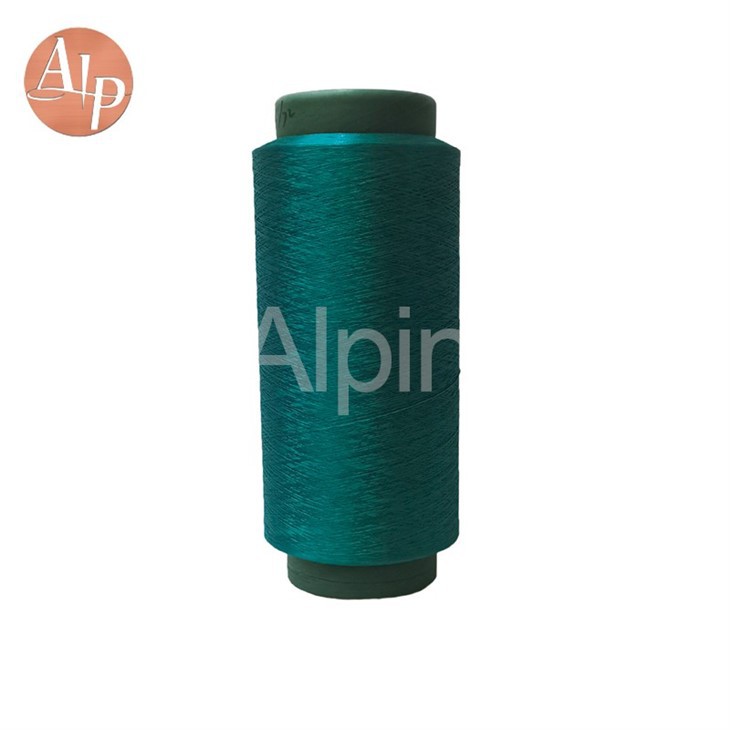
Using micro polyester fibers in polyester melange yarn can enhance the yarn's properties in several ways. Firstly, it can make the yarn softer and more comfortable to wear, as the fine fibers are less likely to irritate the skin. Secondly, micro polyester fibers have a high surface area, which allows them to absorb and wick away moisture more effectively, making the yarn more breathable and suitable for use in sportswear and activewear.
We offer 100 Micro Polyester Yarn as part of our product range. This yarn is made from 100% micro polyester fibers and is available in a variety of colors and blends. It is a great choice for customers who are looking for a soft, comfortable, and breathable yarn for their textile products.
Other Additives
In addition to polyester fibers, dyed fibers, recycled fibers, and micro fibers, other additives may be used in the production of polyester melange yarn to enhance its properties. These additives can include antistatic agents, flame retardants, and UV stabilizers.
- Antistatic Agents: Antistatic agents are used to reduce the static electricity generated by the yarn, which can cause the yarn to cling to clothing or other surfaces. This makes the yarn more comfortable to wear and easier to handle during the manufacturing process.
- Flame Retardants: Flame retardants are used to make the yarn more resistant to fire, which is an important safety feature in certain applications, such as in children's clothing, bedding, and upholstery.
- UV Stabilizers: UV stabilizers are used to protect the yarn from the harmful effects of ultraviolet (UV) radiation, which can cause the yarn to fade, weaken, or become brittle over time. This makes the yarn more durable and suitable for use in outdoor applications.
Conclusion
In conclusion, polyester melange yarn is a complex and versatile textile product that is made from a combination of different raw materials. The primary raw material is polyester fiber, which can be in the form of staple or filament fibers. Dyed polyester fibers are used to achieve the unique color blend of the yarn, and recycled polyester fibers and micro polyester fibers can be added to enhance the yarn's sustainability, softness, and absorbency. Other additives may also be used to improve the yarn's properties, such as antistatic agents, flame retardants, and UV stabilizers.
As a supplier of polyester melange yarn, we are committed to providing our customers with high-quality products that meet their specific requirements. We offer a wide range of polyester melange yarns in different colors, blends, and thicknesses, including Dty Polyester Yarn, 100 Recycled Polyester Yarn, and 100 Micro Polyester Yarn. If you are interested in learning more about our products or would like to discuss your specific requirements, please do not hesitate to contact us. We look forward to working with you to find the perfect polyester melange yarn for your next project.
References
- "Polyester Fibers: Properties, Processing, and Applications" by John W. S. Hearle
- "Textile Science: An Introduction" by Elizabeth A. Collier
- "Recycled Polyester: A Sustainable Solution for the Textile Industry" by the Textile Exchange