


As a supplier of soft polyester yarn, I've been deeply involved in the textile industry for years. The question of whether soft polyester yarn is safe for the environment is one that has increasingly come to the forefront of discussions. In this blog, I'll delve into the various aspects of this issue, weighing the environmental impacts of soft polyester yarn based on scientific evidence and industry knowledge.
Production Process and Environmental Footprint
The production of polyester yarn starts with the synthesis of polyethylene terephthalate (PET), a type of polymer. The raw materials for PET are derived from petroleum, a non - renewable resource. The extraction and refining of petroleum have significant environmental impacts, including habitat destruction, water pollution, and greenhouse gas emissions.
During the polymerization process, high temperatures and pressures are required, which consume a large amount of energy. Most of this energy comes from fossil fuels, further contributing to carbon emissions. For example, a study by the Textile Exchange found that the production of polyester emits about 6.5 - 7 kg of CO2 per kg of polyester produced. This is a substantial amount compared to some natural fibers.
However, it's important to note that the polyester industry has made significant strides in improving energy efficiency. Many modern polyester production facilities are equipped with advanced technologies that reduce energy consumption during the manufacturing process. Additionally, some manufacturers are exploring the use of alternative energy sources such as solar and wind power to offset their carbon footprint.
Microplastic Pollution
One of the most concerning environmental issues associated with polyester yarn is microplastic pollution. When polyester fabrics are washed, tiny plastic fibers are released into the water. These microplastics are so small that they can pass through water treatment plants and end up in rivers, lakes, and oceans.
Research has shown that microplastics are ingested by marine life, from small plankton to large whales. This can lead to a range of health problems for these organisms, including reduced growth, reproductive issues, and even death. Moreover, as microplastics move up the food chain, they can eventually reach humans through the consumption of seafood.
To address this issue, some companies are developing technologies to reduce microplastic shedding during washing. For instance, there are now washing machine filters available that can capture a significant portion of the microplastics released during the laundry cycle. As a soft polyester yarn supplier, I'm closely monitoring these developments and looking for ways to promote more sustainable practices among our customers.
Durability and Longevity
On the positive side, soft polyester yarn is known for its durability and longevity. Polyester fabrics are resistant to stretching, shrinking, and wrinkling, which means they can last longer than many natural fibers. This durability can be an environmental advantage because it reduces the frequency of clothing replacement.
When a product lasts longer, it requires less raw material extraction and manufacturing in the long run. For example, a polyester jacket may last several seasons, while a similar jacket made from a less durable natural fiber might need to be replaced more frequently. This reduction in the overall demand for new products can help conserve resources and reduce waste.
Recycling and Circular Economy
The polyester industry has also made progress in the area of recycling. There are two main types of polyester recycling: mechanical recycling and chemical recycling. Mechanical recycling involves melting down used polyester products and re - spinning them into new yarn. Chemical recycling, on the other hand, breaks down the polyester polymer into its basic monomers, which can then be used to produce new polyester.
Recycling polyester not only reduces the demand for virgin petroleum - based raw materials but also diverts waste from landfills. Many of our products, including Polyester Chenille Yarn and Polyester Filament Yarn, Polyester Filament Yarn, can be recycled, and we actively encourage our customers to participate in recycling programs.
Comparing with Natural Fibers
When evaluating the environmental safety of soft polyester yarn, it's useful to compare it with natural fibers such as cotton and wool. Cotton, for example, requires a large amount of water and pesticides during cultivation. The use of pesticides can contaminate soil and water sources, and the high water consumption can lead to water scarcity in some regions.
Wool production also has its environmental challenges. Sheep farming can contribute to deforestation, soil erosion, and greenhouse gas emissions from livestock. While natural fibers are often perceived as more "eco - friendly," they also have their own set of environmental impacts.
Our Commitment as a Supplier
As a soft polyester yarn supplier, we are committed to minimizing the environmental impact of our products. We work closely with our manufacturing partners to ensure that they adhere to strict environmental standards. This includes reducing energy consumption, minimizing waste generation, and promoting recycling.
We also invest in research and development to find innovative solutions to the environmental challenges associated with polyester yarn. For example, we are exploring the use of bio - based polyester, which is made from renewable resources such as plant sugars. Bio - based polyester has the potential to significantly reduce the carbon footprint of polyester production.
Conclusion
The question of whether soft polyester yarn is safe for the environment is complex. While polyester production has some negative environmental impacts, such as its reliance on non - renewable resources and the issue of microplastic pollution, it also has some advantages, including durability and the potential for recycling.

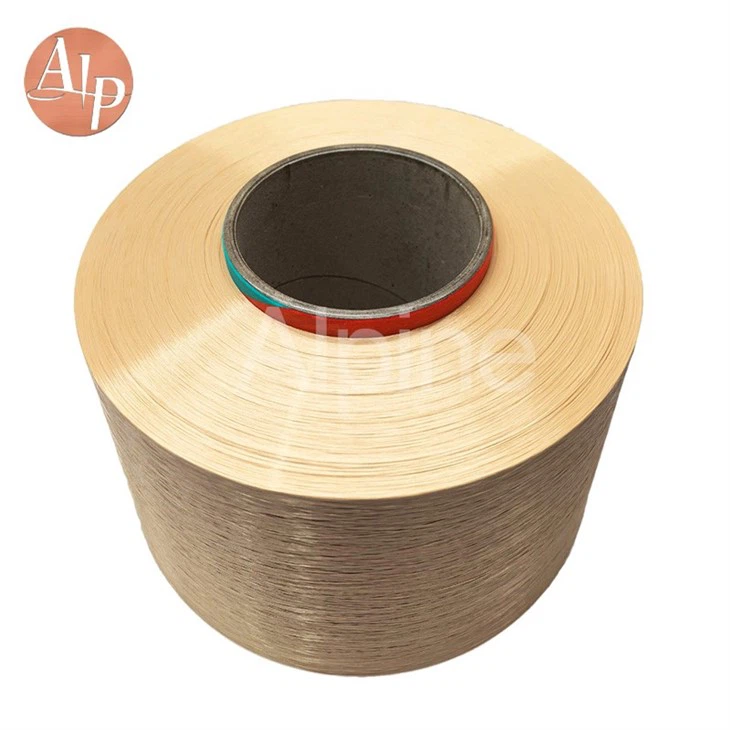
As the textile industry continues to evolve, there are many opportunities to make polyester yarn more environmentally friendly. By promoting sustainable production practices, reducing microplastic shedding, and increasing recycling rates, we can minimize the environmental footprint of soft polyester yarn.
If you're interested in learning more about our soft polyester yarn products or discussing potential partnerships, we'd love to hear from you. Whether you're a clothing manufacturer, a home textile producer, or an innovator in the textile industry, we can provide you with high - quality soft polyester yarn that meets your needs while also being mindful of the environment. Let's work together to create a more sustainable future for the textile industry.
References
- Textile Exchange. (Year). Global Fiber Market Report.
- Research studies on microplastic pollution in marine environments by various scientific institutions.
- Industry reports on the energy efficiency of polyester production.